Tahini substitutes
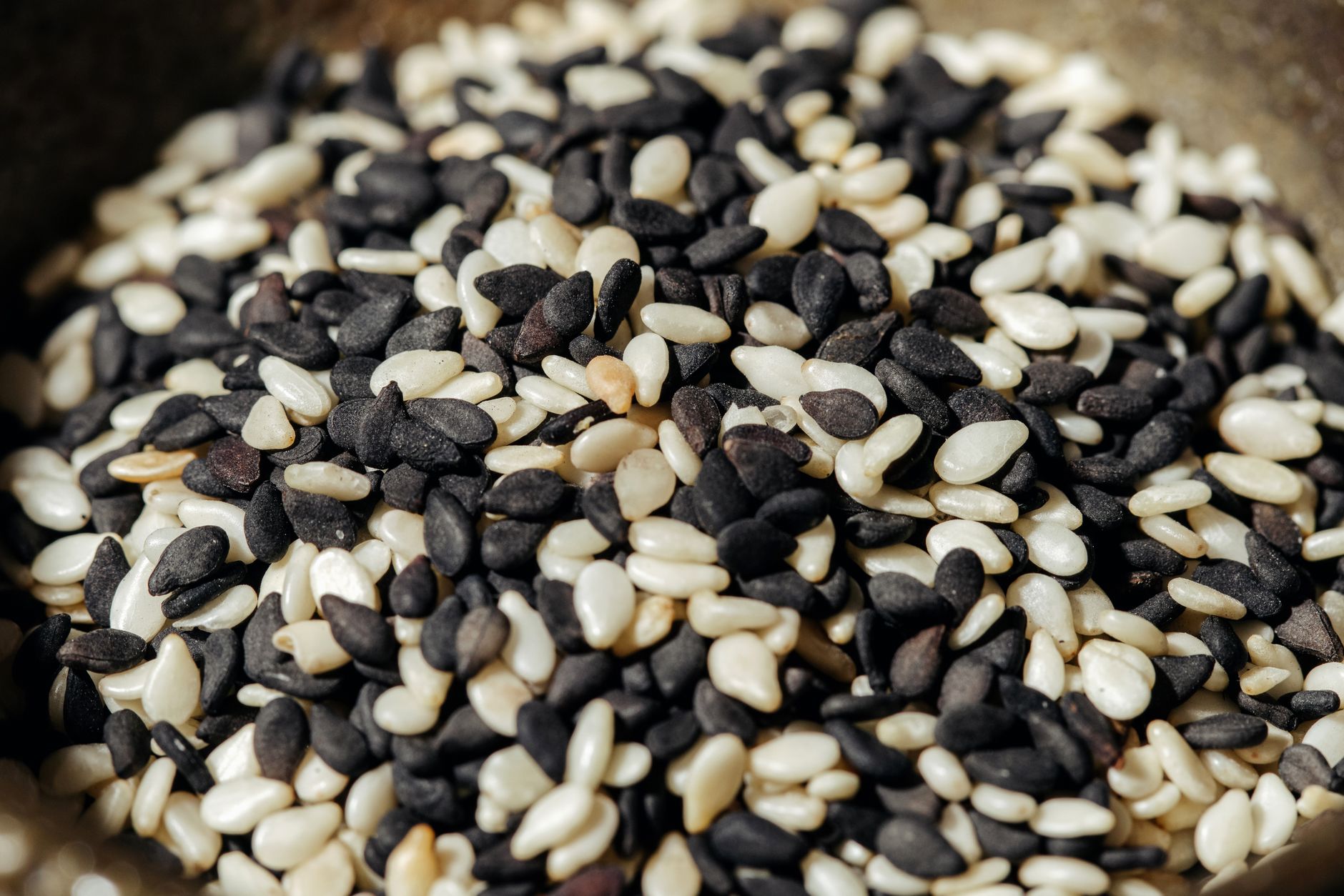
Tahini is a paste made from ground sesame seeds that contributes a nutty, slightly bitter flavor and a smooth, emulsifying fat content to recipes. In savory applications like hummus and dressings, it acts as both a flavor base and an emulsifier that holds the dish together. Substituting requires matching both its consistency (thick but pourable) and its relatively neutral-to-bitter nuttiness — most alternatives skew sweeter, which changes the character of the final dish noticeably.
Some links below are paid affiliate links. As an Amazon Associate, AltPantry earns from qualifying purchases at no extra cost to you.
| Rank | Substitute | Substitution ratio | What to expect |
|---|---|---|---|
| #1 | Sunflower seed butter | 1:1 by volume (e.g., 3 tbsp sunflower seed butter for 3 tbsp tahini) | The closest match in texture and mild nuttiness among nut-free options; flavor is slightly earthier and less bitter, which works in hummus and dressings but is detectable in recipes where tahini is the primary flavor. |
| #2 | Cashew butter | 1:1 by volume, thinned with 1/2 tsp neutral oil if needed | Smooth texture emulsifies well and the flavor is mild enough to substitute in hummus and sauces without dominating, but it is noticeably sweeter and lacks tahini's characteristic bitterness. |
| #3 | Natural peanut butter (unsweetened, smooth) | 1:1 by volume, thinned with 1 tsp neutral oil to loosen | Works in a pinch for hummus or noodle sauces and is widely cited as the most accessible stand-in, but the peanut flavor is assertive enough to fundamentally change the dish — fine when peanut flavor is acceptable, not a neutral replacement. |
| #4 | Sesame oil (toasted) | 1/2 tsp sesame oil per 1 tbsp tahini called for, combined with 2 tsp plain Greek yogurt or silken tofu to add body | Delivers genuine sesame flavor but provides no structure or emulsification on its own; the yogurt or tofu addition partially compensates for missing texture, though the result is thinner and the flavor less rounded. This substitution only works in sauces and dressings — not baked goods. |
| #5 | Homemade tahini (sesame seeds ground in a blender or food processor) | 1 cup (140 g) hulled sesame seeds + 3 tbsp neutral oil, blended until smooth, yielding approximately 3/4 cup tahini | Produces an authentic result if you have a high-powered blender or food processor; hulled seeds are required since unhulled seeds produce a significantly more bitter, coarser paste. Grinding time is 3–5 minutes. This is the best option when you need tahini flavor and have time. |
When to be careful
In recipes where tahini is the defining flavor — traditional Lebanese hummus, halva, or tahini-forward cookies — no substitute will produce an equivalent result, and the dish will taste noticeably different. Sesame-based desserts in particular depend on tahini's specific bitter-nutty profile that other nut butters cannot replicate.
Why these substitutes work
Tahini's primary role is providing fat from sesame oil (roughly 50% fat by weight) alongside proteins and ground fiber that help it emulsify with water-based ingredients like lemon juice and garlic. Sesame seeds also contain sesamin and sesamolin, compounds that give tahini its distinctive slightly bitter note absent in sweeter nut butters. Substitutes that match viscosity and fat content can approximate the textural function, but none contain sesamin, which is why the flavor profile always shifts.
For most everyday recipes — hummus, salad dressings, and noodle sauces — sunflower seed butter or cashew butter will produce a usable result at a 1:1 swap. Neither replicates tahini’s faint bitterness, but the texture and fat behavior are close enough that the dish holds together and tastes coherent. Both are available unsweetened, which is essential; sweetened nut butters are not a viable substitution.
If you have sesame seeds and 10 minutes, grinding your own tahini (see rank 5 in the table) is the most reliable path, particularly for recipes where tahini is a primary flavor. Natural peanut butter is the most pantry-accessible option but should be treated as a last resort — the peanut flavor comes through clearly in anything uncooked or minimally flavored.
Frequently asked questions
- Can I use almond butter instead of tahini?
- Almond butter works at a 1:1 ratio in hummus or sauces and has been used this way in mainstream cooking sources, but it is sweeter, denser, and carries a distinct almond flavor. It ranks behind sunflower seed butter and cashew butter because the flavor difference is more pronounced. It is not included in the main rankings above because the consensus quality is more mixed than those options.
- Is tahini the same as sesame paste used in Chinese cooking?
- No. Chinese sesame paste is made from roasted (darker) sesame seeds and has a stronger, more intense flavor. Tahini made from lightly toasted or raw sesame seeds is milder and less bitter. They are not interchangeable in applications where flavor precision matters, though in a cooked sauce the difference is reduced.
- Does tahini need to be refrigerated?
- Commercially sealed tahini can be stored at room temperature for 1–2 months before opening. Once opened, refrigeration is recommended to prevent the oils from going rancid; most opened jars keep for 4–6 months refrigerated. Stir well before using, as the oil separates in cold storage.