Shortening substitutes
Shortening is 100% fat with no water content, and its high melting point keeps air pockets intact during baking, producing tender, flaky, or stable results depending on the recipe. It also contributes structure without flavor, which matters in applications like frosted layer cakes where butter's water and dairy notes are unwanted. Substituting requires matching both the fat content and the physical behavior — solid vs. liquid fat behaves differently in dough and batter.
Some links below are paid affiliate links. As an Amazon Associate, AltPantry earns from qualifying purchases at no extra cost to you.
| Rank | Substitute | Substitution ratio | What to expect |
|---|---|---|---|
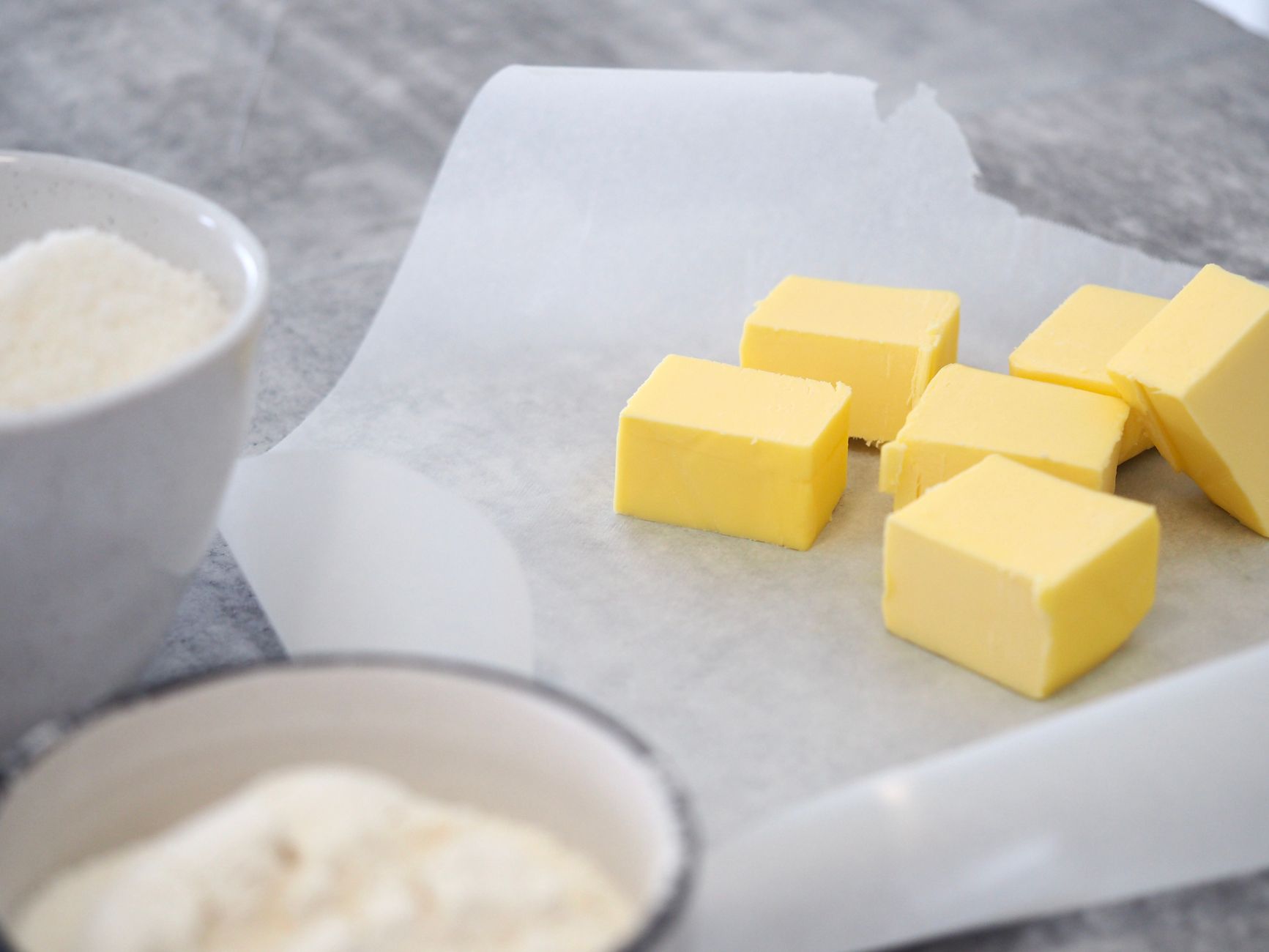
| #1 | Butter (unsalted) | 1 cup shortening = 1 cup + 2 tbsp unsalted butter | The extra 2 tbsp compensates for butter's ~16–18% water content; works well in cookies and pie crust but yields a crisper, browned edge and a slightly more pronounced flavor — widely accepted as the best all-purpose swap. |
| #2 | Coconut oil (refined) | 1 cup shortening = 1 cup refined coconut oil | Solid at room temperature and nearly water-free like shortening, making it structurally close; use refined (not virgin) to avoid coconut flavor in neutral recipes — results in slightly denser cookies and a firmer pie crust than shortening. |
| #3 | Lard | 1 cup shortening = 1 cup lard | A 1:1 drop-in with a higher melting point than butter; produces flakier pie crusts than shortening in many side-by-side tests (Serious Eats, America's Test Kitchen), though it adds a mild pork flavor that is undetectable in most baked goods. |
| #4 | Vegetable oil | 1 cup shortening = 3/4 cup vegetable oil | Works in muffins, quick breads, and some cakes where tenderness is the goal, but it is liquid at room temperature and cannot create the same laminated or aerated structure — do not use for pie crust, flaky biscuits, or creamed frostings. |
| #5 | Cream cheese (full-fat) | 1 cup shortening = 1 cup full-fat cream cheese | A works-in-a-pinch swap specifically for shortening-based frostings; it stabilizes and holds shape similarly but adds tang and requires refrigeration — noticeably different in flavor and not a neutral substitute. |
When to be careful
Deep-frying recipes that specify shortening rely on its very high smoke point and neutral flavor; butter and coconut oil will burn or flavor the oil at frying temperatures. Shortening-based rolled fondant and certain decorating icings require the specific non-melting, waxy texture that no common substitute fully replicates.
Why these substitutes work
Shortening is made from hydrogenated or interesterified vegetable oil, which forces the fat into a solid, plasticky state with a melting point well above room temperature (~47°C / 117°F for Crisco). This means it stays solid longer in the oven than butter, allowing layers in pie crust to separate before the fat melts — producing flakiness — and allowing creamed air bubbles to hold their structure longer in cookies, which limits spread. Substitutes work to the extent that they share two key properties: low water content (water produces steam and gluten development, changing texture) and a similar solid-to-liquid transition temperature.
For most baking — cookies, biscuits, simple pie crust — unsalted butter is the substitute experienced bakers reach for first, accepting a small flavor and texture trade-off that most people consider an improvement. Lard is the technically superior swap for flaky pastry if flavor isn’t a concern, and refined coconut oil covers the vegan case cleanly.
The table above is ordered by how broadly each substitute works across recipe types. Vegetable oil and cream cheese appear at the bottom because each is confined to a narrow use case; treating either as a general shortening replacement will cause failures in recipes that depend on shortening’s solid structure.
Frequently asked questions
- Can I substitute butter for shortening in pie crust?
- Yes, using 1 cup + 2 tbsp butter per 1 cup shortening. The crust will be flavorful and flaky but slightly less tender and more prone to shrinking, since butter's water content creates more gluten. Keeping the butter very cold helps minimize this.
- Does coconut oil work as a 1:1 shortening substitute in cookies?
- In most drop cookie recipes, yes — refined coconut oil substitutes 1:1 and produces a comparable texture. Cookies may spread slightly more if your kitchen is warm, since coconut oil melts around 24°C (76°F), lower than shortening.
- Why does my frosting weep or collapse when I use butter instead of shortening?
- Butter's melting point is lower than shortening's, so buttercream made with butter will soften faster at room temperature. If you need a frosting that holds up at a warm event or doesn't need refrigeration, a full butter swap is a real limitation — not just a flavor difference.