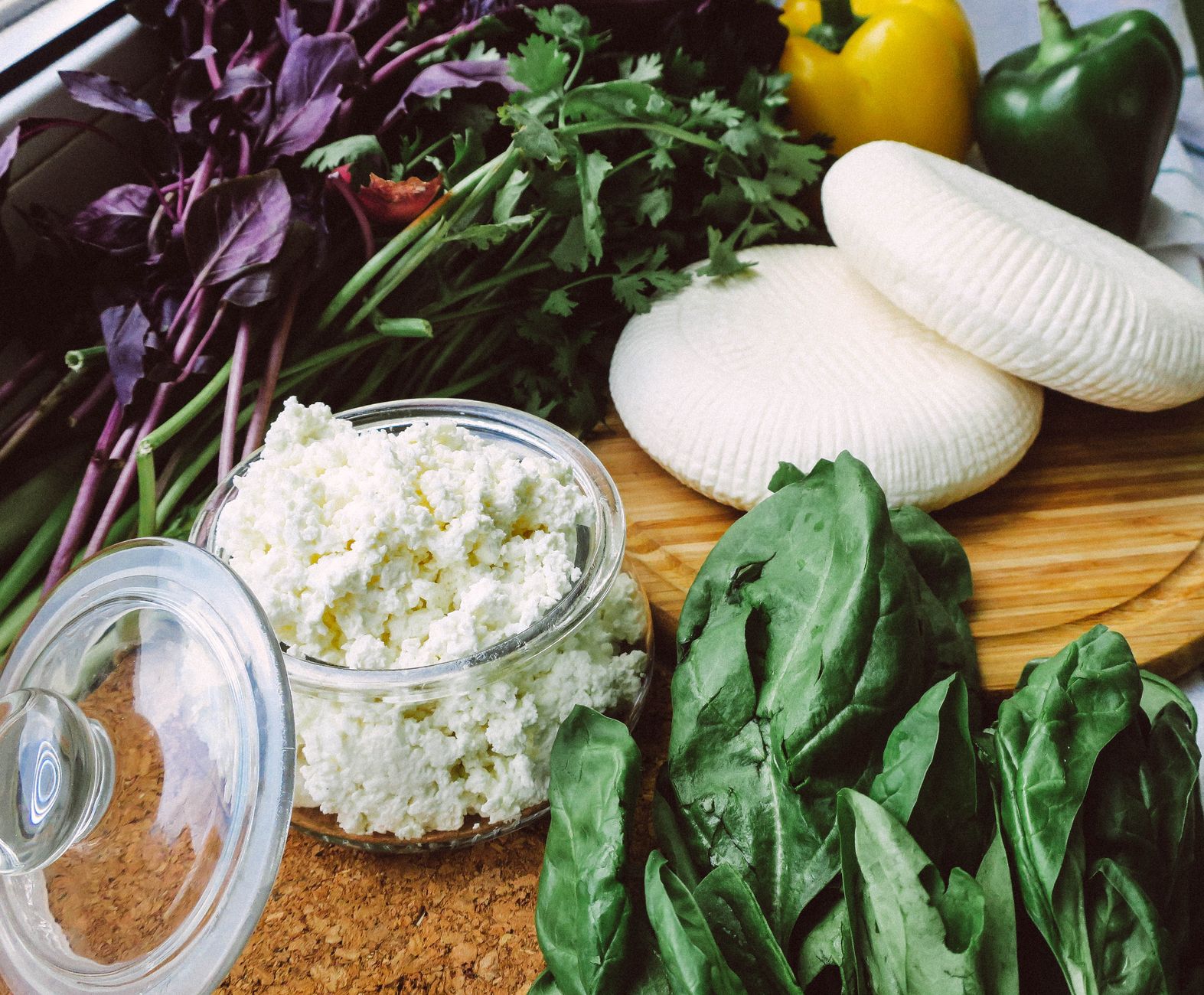
Ricotta substitutes
Ricotta is a fresh whey cheese with a mild, slightly sweet flavor and a loose, grainy curd structure that holds moisture without becoming rubbery when heated. In baked dishes it provides creamy bulk and gentle richness; in pasta fillings it binds without toughening; in batters it adds lightness through its whey content and soft protein structure. Substituting well requires matching both texture (curd looseness, moisture level) and fat content, since a drier or denser stand-in changes the final result noticeably.
Some links below are paid affiliate links. As an Amazon Associate, AltPantry earns from qualifying purchases at no extra cost to you.
| Rank | Substitute | Substitution ratio | What to expect |
|---|---|---|---|
| #1 | Cottage cheese (small curd, drained) | 1 cup cottage cheese drained and blended smooth = 1 cup ricotta | The closest structural and flavor match — drain excess whey through a fine-mesh strainer for 15 minutes, then blend briefly for a smoother texture; works in lasagna, stuffed shells, and cheesecake with minimal difference in result. |
| #2 | Whole-milk cream cheese (softened) | 3/4 cup cream cheese softened + 1/4 cup whole milk = 1 cup ricotta | Noticeably richer and denser than ricotta; the milk loosens it toward ricotta's consistency, but finished dishes will be heavier — best in cheesecakes and dips, not ideal for delicate pasta fillings where the extra fat can make the filling gummy. |
| #3 | Full-fat Greek yogurt | 1 cup full-fat Greek yogurt = 1 cup ricotta | Works well in pancakes, baked goods, and dips where the slight tang reads as a feature; in baked pasta the higher acidity can thin the filling slightly during cooking, and the result is noticeably tangier than ricotta — use only where some brightness is acceptable. |
| #4 | Fromage blanc or quark | 1 cup fromage blanc or quark = 1 cup ricotta | Very close in texture and mild flavor to ricotta; less widely available but performs reliably in all applications — baked pasta, cheesecakes, and spreads — with only a slightly more pronounced dairy tang. |
| #5 | Soft tofu (silken or soft, drained) | 1 cup silken tofu drained and blended = 1 cup ricotta | Works in a pinch for vegan applications; the flavor is neutral but the protein structure behaves differently under heat, and finished fillings can turn slightly watery or rubbery — press and drain thoroughly, and expect a noticeably inferior texture in baked pasta. |
| #6 | Mascarpone | 3/4 cup mascarpone + 3 tbsp whole milk = 1 cup ricotta | Works in desserts and cheesecakes where richness is welcome, but mascarpone is significantly higher in fat and has almost no graininess — the result is denser and richer than intended; not recommended for savory pasta fillings. |
When to be careful
In recipes where ricotta's specific moisture content and curd structure are structurally critical — such as Neapolitan pastiera or traditional Sicilian cannoli filling — no substitute replicates the exact texture, and the result will be noticeably different. Very delicate pasta dishes like malfatti (ricotta dumplings) are also risky, since denser substitutes absorb flour differently and can produce heavy, dense results.
Why these substitutes work
Ricotta is made by heat-coagulating the remaining whey proteins (primarily albumin and globulin) after cheesemaking, producing soft, fine curds with a high moisture content (around 68–74% water) and moderate protein (~11g per 100g). This protein network sets gently under heat without contracting aggressively, which keeps baked fillings tender and moist rather than rubbery. Substitutes that are lower in moisture (cream cheese, mascarpone) or higher in acid (Greek yogurt) shift this balance — the milk-loosening or draining steps in the ratios above are adjustments to bring water content and protein density closer to ricotta's baseline.
Cottage cheese (drained and briefly blended) is the substitute most professional sources reach for first — it’s structurally similar, widely available, and produces results close enough to ricotta that most recipes come out right without further adjustment. Cream cheese thinned with milk and full-fat Greek yogurt are reliable backups in the right contexts, but both shift flavor and density in ways that matter more in some recipes than others.
The substitutes in the table are ranked for the broadest range of applications, but check the notes column for your specific use case before committing. A substitute that works in pancakes or a dip may perform noticeably worse in a baked pasta filling where the protein-to-moisture ratio is more tightly constrained.
Frequently asked questions
- Can I use cottage cheese instead of ricotta in lasagna?
- Yes — drain small-curd cottage cheese through a fine-mesh strainer for 15 minutes, then blend briefly. Most tasters cannot reliably distinguish it from ricotta in a finished lasagna.
- Can I substitute ricotta with Greek yogurt in cheesecake?
- Full-fat Greek yogurt works in cheesecake-style desserts, but the result will be tangier and slightly less dense. It does not work as a drop-in for New York-style ricotta cheesecakes where a neutral, milky flavor is important.
- Does the fat percentage of the substitute matter?
- Yes. Low-fat or fat-free versions of cottage cheese, cream cheese, or yogurt have more water and less fat, which produces watery fillings and tougher textures after baking. Use full-fat versions for all substitutions above.