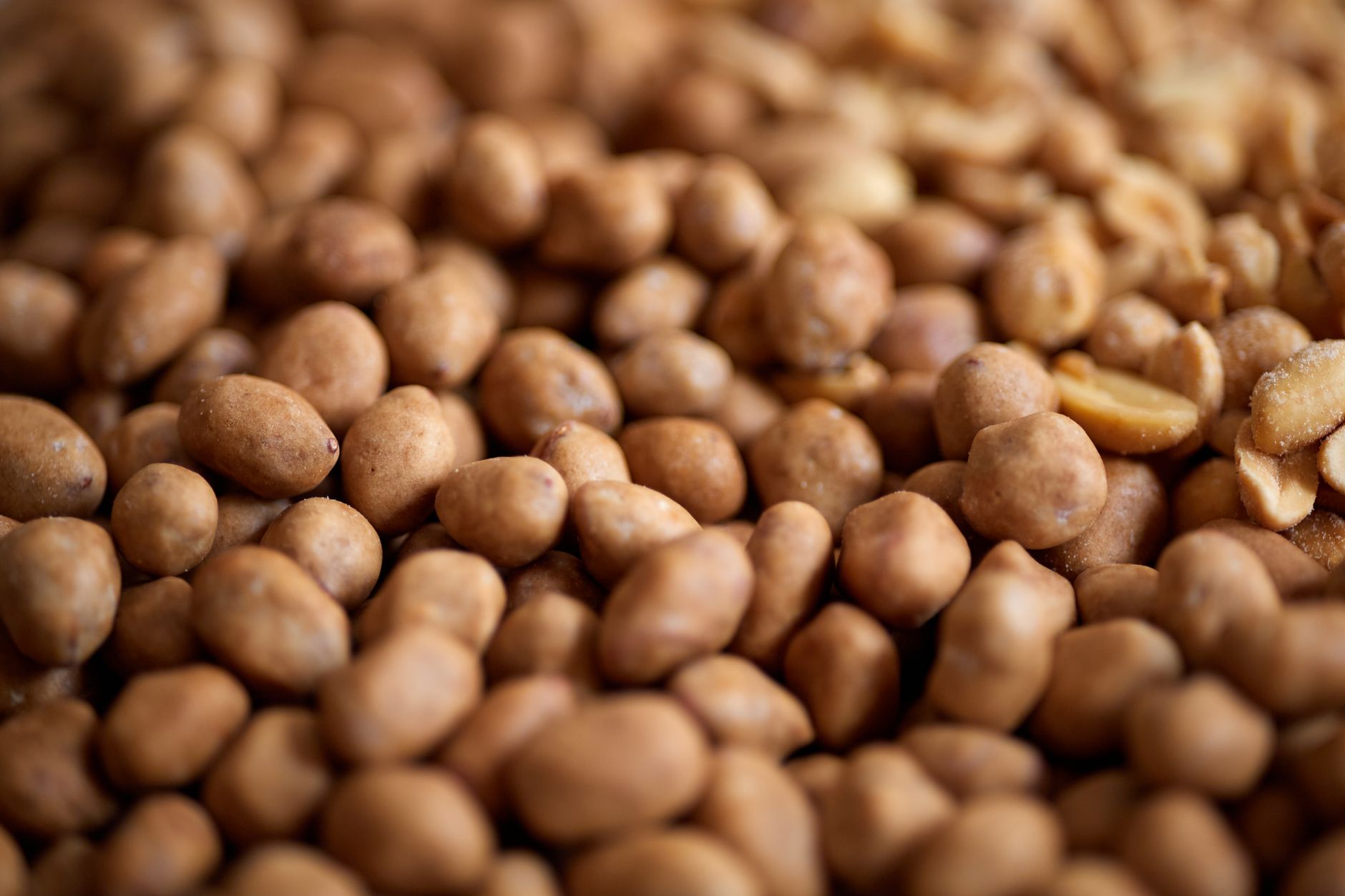
Peanut oil substitutes
Peanut oil is prized primarily for its high smoke point (around 450°F/232°C refined, 320°F/160°C unrefined), which makes it well-suited to deep-frying and high-heat stir-frying without burning or off-flavors. Refined peanut oil is nearly flavorless; unrefined (or roasted) peanut oil carries a distinct nutty taste used intentionally in some Asian cuisines. Substituting requires matching the smoke point for frying contexts, or matching the flavor profile when roasted peanut oil is a deliberate ingredient.
Some links below are paid affiliate links. As an Amazon Associate, AltPantry earns from qualifying purchases at no extra cost to you.
| Rank | Substitute | Substitution ratio | What to expect |
|---|---|---|---|
| #1 | Refined safflower oil or refined sunflower oil | 1:1 by volume (e.g., 1 cup refined safflower oil or refined sunflower oil for 1 cup peanut oil) | Both have smoke points above 440°F/227°C, are nearly flavorless, and are the closest functional match for deep-frying and high-heat sautéing; results are essentially indistinguishable from refined peanut oil. |
| #2 | Refined avocado oil | 1:1 by volume | Smoke point of approximately 500°F/260°C makes it technically superior for frying, and it's neutral in flavor; the main drawback is cost, which is noticeably higher than peanut oil. |
| #3 | Canola oil or vegetable oil | 1:1 by volume | Widely available and neutral-flavored with smoke points around 400°F/204°C — adequate for most stir-frying and pan-frying, but slightly more prone to off-flavors at sustained deep-fry temperatures above 375°F/190°C compared to peanut oil. |
| #4 | Refined coconut oil | 1:1 by volume | Smoke point around 400°F/204°C and neutral flavor when refined; works acceptably for frying but adds a faint residual sweetness detectable in some savory dishes, and solidifies at room temperature which can be inconvenient. |
| #5 | Toasted sesame oil | Use only as a finishing oil or flavor substitute for roasted/unrefined peanut oil; 1 tsp toasted sesame oil for 1 tbsp unrefined peanut oil, adjusted to taste | Only appropriate when roasted peanut oil is being used for its nutty flavor in dressings, noodle sauces, or drizzles — never for high-heat cooking, as toasted sesame oil has a very low smoke point and burns immediately; the sesame flavor is stronger than peanut, so reduce quantity. |
| #6 | Grapeseed oil | 1:1 by volume | Smoke point around 420°F/216°C and very neutral flavor; performs similarly to canola oil in frying, but costs more per volume and offers no meaningful advantage over canola — works in a pinch when other options are unavailable. |
When to be careful
When unrefined (roasted) peanut oil is a deliberate flavoring in a recipe — such as in certain Sichuan cold noodle sauces or some Southeast Asian dishes — no neutral oil replicates the flavor, and toasted sesame oil is only a rough approximation. For deep-frying at sustained temperatures above 375°F/190°C, canola and vegetable oils are workable but show more flavor degradation over extended cooking times than peanut, refined safflower, or refined avocado oil.
Why these substitutes work
Peanut oil's utility in frying comes from its fatty acid composition — it is predominantly monounsaturated (oleic acid), which is more oxidatively stable at high temperatures than oils high in polyunsaturated fats such as unrefined flaxseed or walnut oil. The high smoke point of refined peanut oil results from removal of free fatty acids and impurities during refining, and any substitute must clear roughly the same threshold to avoid acrolein production (the acrid compound formed when oils overheat). Roasted peanut oil's flavor comes from Maillard-reaction byproducts created during the roasting of the peanuts themselves, which no common neutral oil contains.
For most frying and stir-frying applications, refined safflower oil or refined sunflower oil is the most straightforward swap — same neutral flavor, near-identical smoke point, and no perceptible difference in the finished dish. Refined avocado oil performs equally well and handles slightly higher heat, but the cost premium is hard to justify unless you already have it on hand. Canola and vegetable oils are acceptable for everyday high-heat cooking and are genuinely fine for home stir-frying; they become a weaker option only during sustained commercial-style deep-frying where oil temperature control is less precise.
The only scenario that requires deliberate thought is replacing roasted (unrefined) peanut oil used as a flavor ingredient. In that case, none of the neutral oils in the table above help — a small amount of toasted sesame oil is the most commonly cited approximation, but it reads as sesame, not peanut, and the substitution is imperfect at best. If roasted peanut oil flavor is central to a dish, the most honest answer is that no substitute fully replicates it.
Frequently asked questions
- Is refined peanut oil safe for people with peanut allergies?
- Highly refined peanut oil has had peanut proteins largely removed and is generally considered safe for most people with peanut allergies by the FDA; however, unrefined or cold-pressed peanut oil retains peanut proteins and is not safe. Anyone with a peanut allergy should consult their allergist before using any peanut-derived product. For zero risk, use safflower, sunflower, or avocado oil.
- Can I substitute olive oil for peanut oil when deep-frying?
- Extra-virgin olive oil is not a reliable substitute for deep-frying — its smoke point is around 375°F/190°C for higher-quality versions, and it imparts a strong flavor at high heat. Refined (light) olive oil has a higher smoke point around 465°F/240°C and is neutral enough to work, but at a significantly higher cost than the alternatives listed above; it's not the first choice most cooks would recommend.
- Does the substitute matter for baking or low-heat cooking?
- No — when peanut oil appears in baked goods or room-temperature dressings, any neutral oil (canola, vegetable, or grapeseed) substitutes at 1:1 with no meaningful difference in results. Smoke point is irrelevant below around 300°F/149°C, so the choice of substitute only matters significantly when high-heat frying is involved.