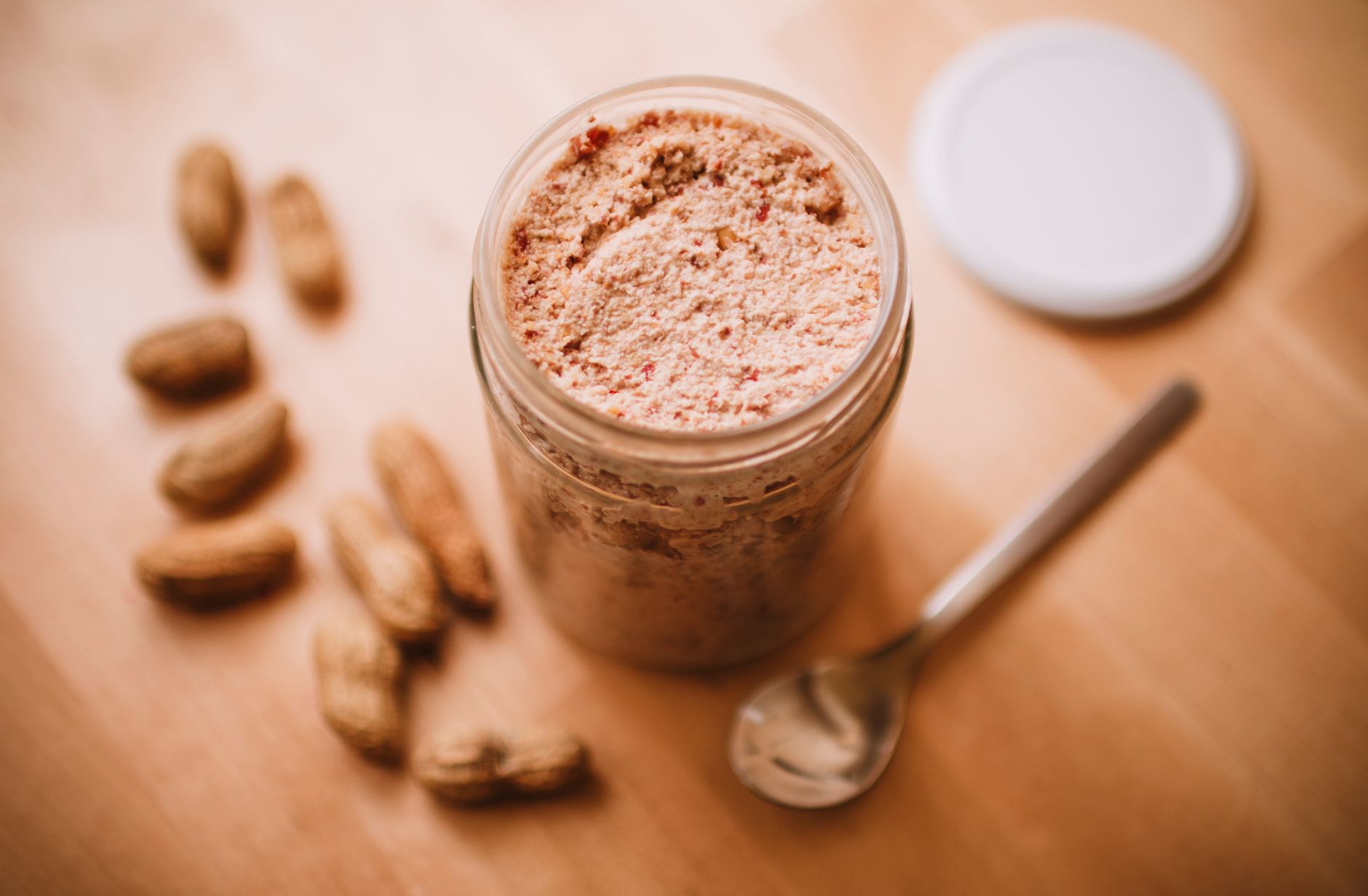
Peanut butter substitutes
Peanut butter contributes fat, protein, moisture, and a distinctive nutty flavor to recipes. In baked goods it also adds structure and binding; in sauces it provides body and emulsification. Substituting requires matching fat content and texture closely — swapping a runny natural butter for a stabilized one, or vice versa, can shift both flavor and consistency noticeably.
Some links below are paid affiliate links. As an Amazon Associate, AltPantry earns from qualifying purchases at no extra cost to you.
| Rank | Substitute | Substitution ratio | What to expect |
|---|---|---|---|
| #1 | Almond butter | 1:1 by weight or volume | The closest structural match — similar fat content, protein level, and thick texture — with a milder, slightly sweeter flavor that works in virtually every context peanut butter does. |
| #2 | Sunflower seed butter | 1:1 by weight or volume | The best nut-free substitute; behaves nearly identically in baking and sauces, though it can turn baked goods green due to a chlorophyll-chlorogenic acid reaction with baking soda or baking powder — safe to eat but visually off-putting. |
| #3 | Cashew butter | 1:1 by weight or volume | Works well in sauces and no-bake recipes where its creamier, sweeter profile is an asset; slightly lower protein content means baked goods may be a touch more tender and less structured than the original. |
| #4 | Tahini (sesame seed paste) | 1:1 by volume | Reliably replaces peanut butter in dressings, marinades, and savory sauces; its distinctly earthy, bitter edge is noticeable in baked goods and sweet recipes, so this is best reserved for savory applications. |
| #5 | Soy nut butter | 1:1 by weight or volume | Closest to peanut butter in flavor profile among nut-free options; fat and protein levels are comparable, so baking results are consistent — a reliable school-safe alternative but harder to find than sunflower seed butter. |
| #6 | Pumpkin seed butter (pepita butter) | 1:1 by weight or volume | Works in a pinch but noticeably worse — stronger, grassier flavor and a darker green color limit its use to smoothies or strongly spiced applications where the flavor can be masked; baked results are visually and texturally acceptable but taste different. |
When to be careful
In recipes where peanut butter is the primary flavor — peanut butter cookies, peanut satay, peanut noodles — no substitute will replicate the result; the dish will taste like a different recipe entirely. Highly structured no-bake bars (e.g., peanut butter cups, protein bars) are also sensitive to differences in oil content and texture between brands and styles of nut butter.
Why these substitutes work
Peanut butter is roughly 50% fat and 25% protein by weight, and that combination does several things at once: the fat tenderizes and adds moisture, the protein provides binding and structure, and the emulsified paste (in commercial stabilized peanut butter) holds water and oil together in batters and sauces. Natural (separated) peanut butters have the same macros but less emulsification stability, which can cause sauces to break more easily. Almond, sunflower, and cashew butters share a close fat-to-protein ratio, which is why they substitute most reliably — the chemistry at the structural level is nearly equivalent even when the flavor differs.
Almond butter is the substitute to reach for in almost every context — it matches peanut butter’s fat content, protein level, and thick, spreadable texture closely enough that most recipes will land within acceptable range of the original. Sunflower seed butter is the strongest nut-free option, though anyone baking with it should know about the green discoloration risk when leaveners are involved.
For savory sauces and dressings, tahini is a widely accepted swap with a long track record; the flavor shift is real but not unwelcome in the right dish. The substitutes at the bottom of the table — pumpkin seed butter in particular — are included because they are genuinely tested and available, but they come with trade-offs in flavor and appearance that make them third or fourth choices rather than go-to options.
Frequently asked questions
- Can I substitute powdered peanut butter (PB2) for regular peanut butter?
- Not directly at 1:1. Powdered peanut butter has most of the fat removed, so it lacks the moisture and fat contribution of regular peanut butter. For baking, you can reconstitute it (typically 2 tbsp powder + 1 tbsp water per 2 tbsp peanut butter) but results are drier and less rich. It works better as a flavor additive in smoothies or oatmeal than as a structural substitute.
- Does natural peanut butter substitute the same as stabilized (e.g., Jif or Skippy)?
- Not always. Stabilized peanut butters contain added hydrogenated oils and sugar, making them thicker and more emulsified. In baking, they produce more consistent results. Natural peanut butters have more separated oil and can make batters looser or cause sauces to break. Stir natural peanut butter thoroughly before measuring, and expect slightly different texture in the final product.
- Can I use Nutella or another chocolate spread as a peanut butter substitute?
- Only in recipes where chocolate flavor is welcome and the switch is intentional. Nutella is higher in sugar and lower in protein than peanut butter, and it contains palm oil rather than peanut oil. Baked goods will be sweeter and more tender; savory applications won't work at all. It's a flavor-forward swap, not a neutral structural one.