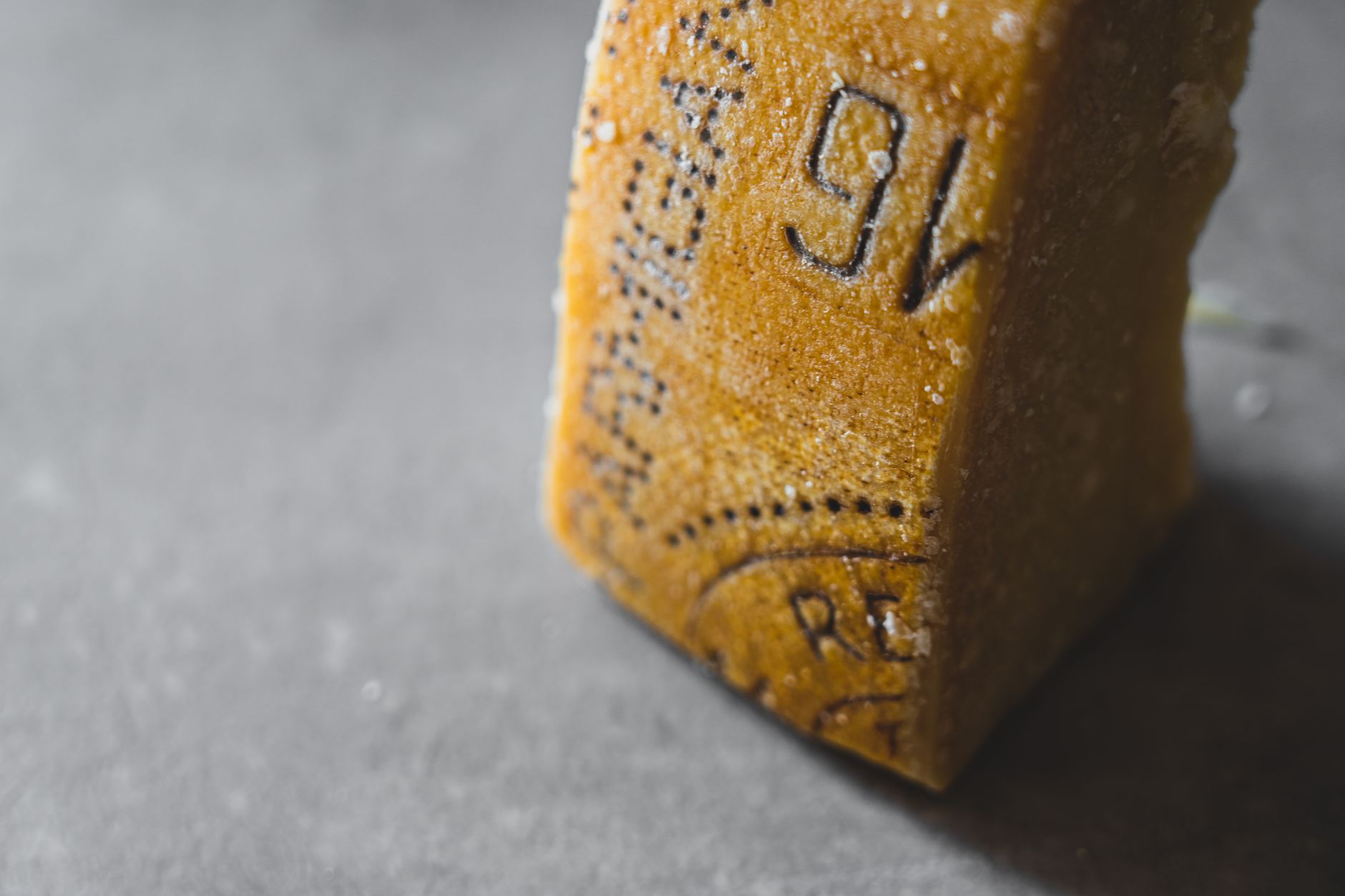
Parmesan cheese substitutes
Parmesan (Parmigiano-Reggiano or domestic Parmesan) contributes sharp, salty, umami-forward flavor and a dry, granular texture that melts into sauces, browns on top of gratins, and adds body to pasta dough and breading. Its low moisture and high protein content are what make it hard to replace cleanly — most substitutes either lack the depth or introduce unwanted moisture. Substituting works well in cooked dishes where flavor is primary; it's harder to replicate in applications where texture or browning is critical.
Some links below are paid affiliate links. As an Amazon Associate, AltPantry earns from qualifying purchases at no extra cost to you.
| Rank | Substitute | Substitution ratio | What to expect |
|---|---|---|---|
| #1 | Pecorino Romano | Use 3/4 the amount called for — if the recipe calls for 1/4 cup (25g) Parmesan, use 3 tbsp (19g) Pecorino Romano | The closest widely available substitute — same dry, granular texture and high-heat behavior, but saltier and sharper, so reduce quantity by about 25% and cut any added salt. |
| #2 | Grana Padano | 1:1 — use the same amount as Parmesan by weight or volume | Milder and slightly creamier than Parmigiano-Reggiano but nearly identical in texture; widely recommended by Cook's Illustrated as the best direct swap when Parmigiano-Reggiano is unavailable or too expensive. |
| #3 | Asiago cheese (aged, not fresh) | 1:1 by weight — substitute equal grams of finely grated aged Asiago | Aged Asiago is firm enough to grate finely and has a comparable nuttiness, though it's less complex and melts slightly softer; works well stirred into pasta but browns less evenly on top of gratins. |
| #4 | Manchego cheese (aged, 6-month or 12-month) | 1:1 by weight — use the same grams, grated finely | Firm aged Manchego has good umami depth and grates cleanly, but it has a distinctly sheepy, slightly buttery flavor that comes through in delicate sauces; better in baked or heavily seasoned dishes than in simple pasta applications. |
| #5 | Nutritional yeast | Use 1 tbsp (8g) nutritional yeast for every 2 tbsp (12g) Parmesan called for, and add a small pinch of fine salt | Provides glutamate-driven umami and works acceptably in pasta sauces, soups, and pesto when you need a dairy-free option — but the flavor is noticeably different (yeasty, not cheesy), the texture adds no body, and it will not brown or crust the way Parmesan does. |
| #6 | Dry-aged Cotija cheese | Use 3/4 the amount called for — if the recipe calls for 1/4 cup (25g), use 3 tbsp (19g) Cotija | Aged (añejo) Cotija is hard, salty, and crumbles finely; it's widely used as a finishing cheese and works reasonably well grated over pasta or into sauces, but it's saltier than Parmesan and lacks the same depth of glutamates, so results are plausible rather than equivalent. |
When to be careful
No substitute reliably replicates Parmesan's behavior in Parmigiano-Reggiano-specific applications — cacio e pepe, frico (cheese crisps), and authentic pasta al limone depend on the precise melt, fat content, and emulsification properties of the real cheese. In those dishes, a wrong substitute will break the sauce or produce a greasy, clumped result.
Why these substitutes work
Parmesan's low moisture content (roughly 30%) and high concentration of free glutamates — formed during 12–36 months of aging — are responsible for both its intense umami flavor and its ability to emulsify into hot, starchy pasta water without becoming greasy. The proteins in aged Parmesan are extensively broken down into short peptides and amino acids, which is why grated Parmesan dissolves smoothly rather than turning stringy. Substitutes that match on moisture and salt (Pecorino Romano, Grana Padano) behave most similarly; high-moisture cheeses fail because their excess water disrupts emulsification and dilutes flavor.
For most cooked applications — pasta sauces, soups, gratins, breading — the substitute table above gives you reliable options ranked by how closely they replicate Parmesan’s flavor and texture. Pecorino Romano and Grana Padano are the two substitutes that experienced cooks reach for first, and they’re the only ones that behave similarly enough to use in technique-sensitive recipes like carbonara or a simple cacio e pepe (with Pecorino being traditional in both of those anyway).
The further down the table you go, the more the result diverges from what Parmesan actually does. Nutritional yeast and Cotija are honest workarounds, not true equivalents — they cover the umami gap in casual weeknight cooking but won’t satisfy in dishes where Parmesan is structural to the recipe. If you’re finishing a dish at the table or melting cheese into a delicate sauce, stick to ranks 1–3.
Frequently asked questions
- Can I use pre-grated Parmesan from a green shaker canister as a substitute?
- It will add salty, vaguely cheesy flavor, but the texture and melting behavior are very different — it contains cellulose powder to prevent clumping, which can make sauces gritty and prevents proper browning. Use it only as a last resort in fully cooked, sauced dishes.
- Is Pecorino Romano a 1:1 swap for Parmesan?
- Not quite. Pecorino Romano is significantly saltier, so a direct 1:1 swap will usually over-salt the dish. Start with 75% of the called-for amount and taste before adding more or adjusting other salt in the recipe.
- What's the best dairy-free substitute for Parmesan in pesto?
- Nutritional yeast is the most widely tested option — use about half the volume of Parmesan called for (e.g., 2 tbsp nutritional yeast in place of 1/4 cup Parmesan) and increase salt slightly. Add 1 tsp of white miso paste if you want more umami depth. The result tastes different from traditional pesto but is cohesive and usable.