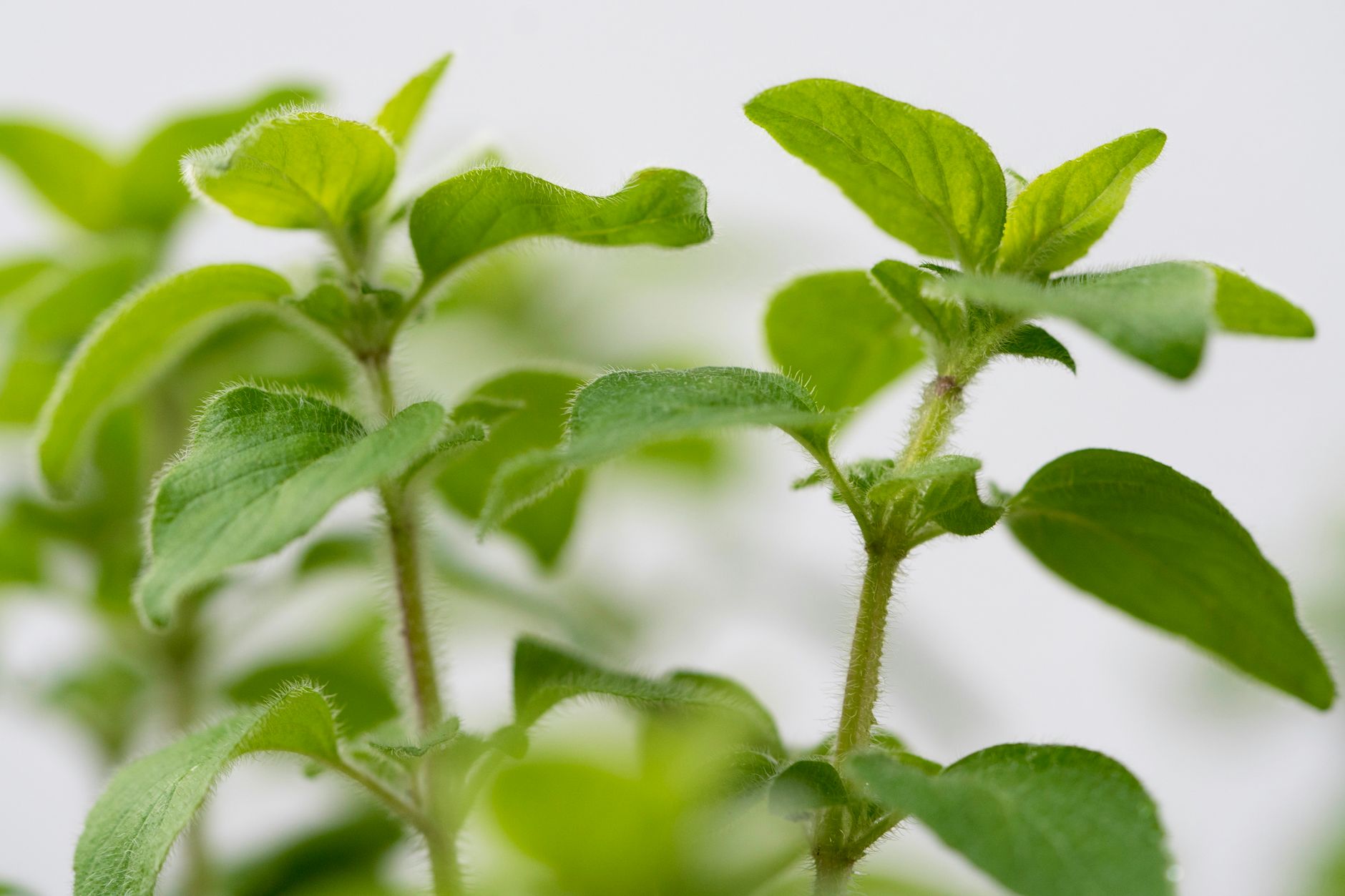
Oregano substitutes
Oregano contributes a pungent, slightly bitter, and earthy flavor driven by the aromatic compounds carvacrol and thymol. It is a structural herb in Italian, Greek, and Mexican cooking, where it anchors sauces, rubs, and braises rather than acting as a background note. Substituting requires matching its intensity: swapping in a milder herb at a 1:1 ratio typically produces a noticeably flatter result.
Some links below are paid affiliate links. As an Amazon Associate, AltPantry earns from qualifying purchases at no extra cost to you.
| Rank | Substitute | Substitution ratio | What to expect |
|---|---|---|---|
| #1 | Dried marjoram | 1 tsp dried oregano → 1 tsp dried marjoram | Marjoram is oregano's closest botanical relative; it shares the same carvacrol base but is slightly sweeter and less bitter, making it the most reliable 1:1 drop-in across Italian and Mediterranean recipes. |
| #2 | Dried thyme | 1 tsp dried oregano → 3/4 tsp dried thyme | Thyme contains thymol, the same core aromatic as oregano, but skews more floral and less bitter — use slightly less to avoid over-perfuming a dish; works well in tomato sauces and roasted vegetables. |
| #3 | Italian seasoning blend | 1 tsp dried oregano → 1 1/2 tsp Italian seasoning | Italian seasoning is mostly oregano and marjoram, so it replicates the flavor reasonably well, though the added basil and rosemary shift the overall profile; best used in sauces and braises where a single herb isn't the star. |
| #4 | Dried basil | 1 tsp dried oregano → 1 tsp dried basil | Basil is in the same botanical family and works passably in tomato-based sauces and pizza, but it lacks oregano's bitterness and earthiness; the substitution is noticeable — acceptable in a pinch, not equivalent. |
| #5 | Fresh oregano | 1 tsp dried oregano → 1 tbsp fresh oregano, chopped | The standard dried-to-fresh conversion (1:3 by volume) applies here; fresh oregano is less concentrated and loses much of its potency during long cooking, so add it near the end of cook time rather than at the beginning. |
When to be careful
In recipes where oregano is the defining, named flavor — Greek oregano chicken, pizza margherita, or Mexican chile blends where Mexican oregano (a botanically distinct species with citrus notes) is specified — no Mediterranean herb substitute will replicate the correct profile. Mexican oregano in particular is not well-substituted by Mediterranean oregano or marjoram.
Why these substitutes work
Dried oregano's flavor comes primarily from carvacrol and thymol, two phenolic compounds that are heat-stable and fat-soluble, which is why oregano holds up in long-simmered sauces and infuses oils effectively. Marjoram shares carvacrol as its dominant compound, making it structurally the closest match. Thyme's thymol overlap explains why it reads as similar to oregano even though its secondary aroma compounds diverge; the shared phenolic backbone is what registers as "familiar" on the palate.
For most everyday uses — tomato sauce, pizza, roasted vegetables, marinades — dried marjoram is the substitute to reach for first. The flavor difference is subtle enough that most people won’t notice it in a finished dish. Dried thyme is a solid second choice and is more commonly stocked in home kitchens; just use about 25% less to keep it from dominating.
The substitutes above are ranked by how closely they replicate oregano’s actual flavor profile, not by how available they are. Italian seasoning and dried basil are listed because they’re widely cited and do work, but the result is a noticeably different dish — particularly in recipes where oregano is used in quantity (more than 1 tsp). If the recipe calls for Mexican oregano specifically, none of these Mediterranean-herb substitutes will give you the right flavor, and the best practical option is to leave the herb out or source the correct ingredient.
Frequently asked questions
- Can I substitute fresh oregano for dried in a cooked sauce?
- Yes, but use 3 times the volume (1 tbsp fresh per 1 tsp dried) and add it in the last 5–10 minutes of cooking. Fresh oregano added at the start of a long braise loses most of its aromatic compounds to evaporation.
- Is Mexican oregano the same as regular (Mediterranean) oregano?
- No. They are different plants. Mediterranean oregano (Origanum vulgare) is earthy and slightly bitter. Mexican oregano (Lippia graveolens) has a more citrusy, slightly licorice-adjacent flavor. They are not interchangeable in recipes where the distinction matters, such as mole or authentic chili.
- How much marjoram do I use instead of oregano?
- Use a straight 1:1 ratio — 1 tsp dried marjoram for every 1 tsp dried oregano. Marjoram is slightly milder, so you can nudge it up to 1 1/4 tsp if you want a closer intensity match.