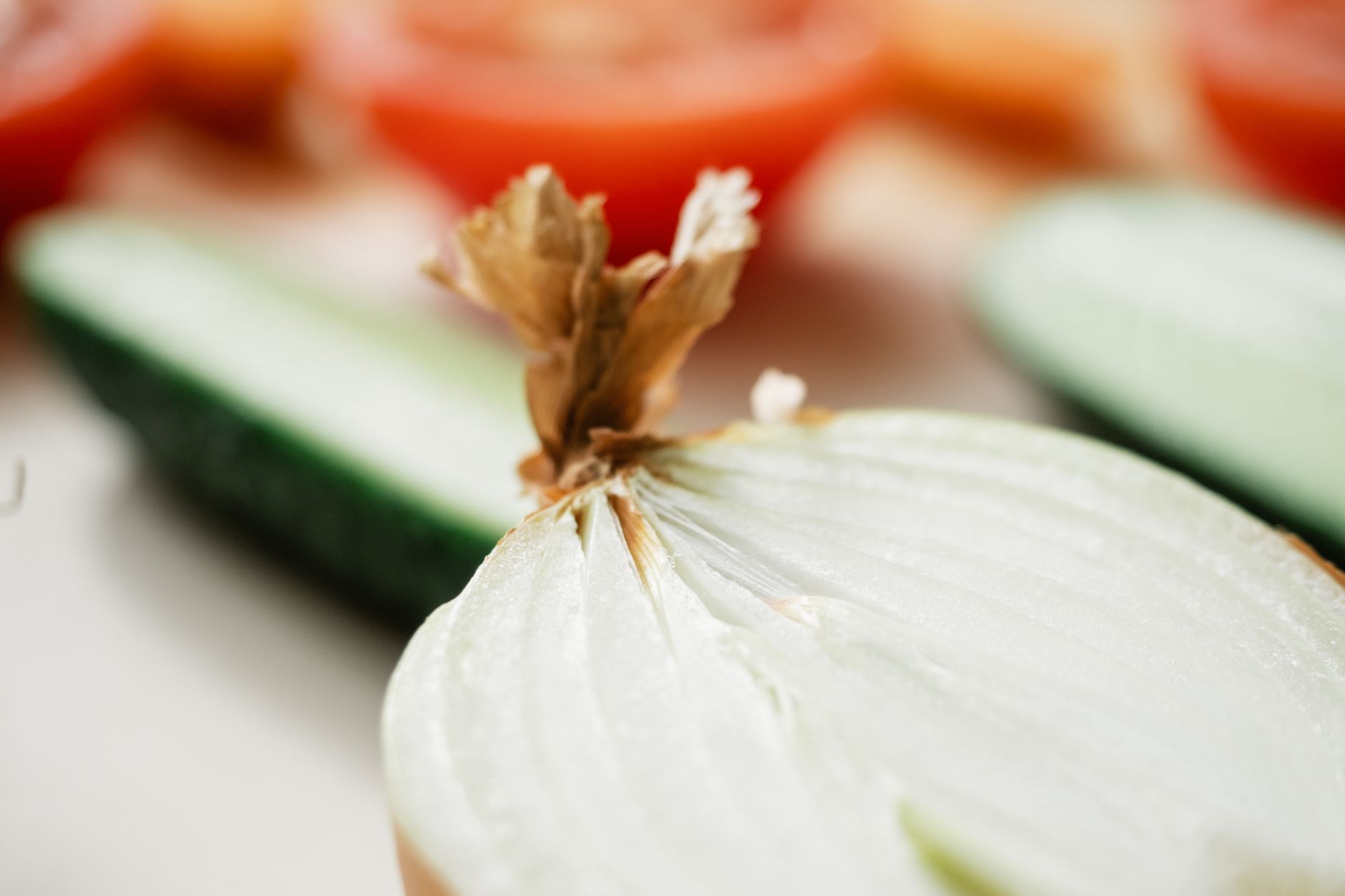
Onion powder substitutes
Onion powder is dehydrated, ground onion that delivers concentrated savory flavor and mild sweetness without adding moisture or texture to a dish. It disperses evenly into dry rubs, spice blends, and sauces, making it harder to replace than fresh onion in many applications. Substitutes vary significantly in moisture content, pungency, and how evenly they integrate — the right choice depends heavily on your recipe format.
Some links below are paid affiliate links. As an Amazon Associate, AltPantry earns from qualifying purchases at no extra cost to you.
| Rank | Substitute | Substitution ratio | What to expect |
|---|---|---|---|
| #1 | Granulated onion | 1 tsp onion powder = 1 tsp granulated onion | Coarser grind than onion powder but same base ingredient; flavor profile is nearly identical and it performs the same in dry rubs, spice blends, and cooked sauces. |
| #2 | Dried minced onion | 1 tsp onion powder = 1 tbsp dried minced onion | Provides equivalent onion flavor but leaves visible flecks and a slightly chewy texture if not rehydrated; works well in soups, braises, and meatloaf, but not in smooth sauces or rubs where texture matters. |
| #3 | Fresh yellow onion or white onion | 1 tsp onion powder = 3 tbsp finely minced fresh onion | Adds moisture, texture, and raw pungency that cooks off differently than powder; reliable in soups, braises, and sautéed dishes but will change the texture of dry rubs, spice blends, and baked goods. |
| #4 | Shallot | 1 tsp onion powder = 3 tbsp finely minced shallot | Milder and slightly more complex than onion with a hint of garlic; swaps cleanly in cooked applications like pan sauces and soups, but the same moisture and texture caveats apply as with fresh onion. |
| #5 | Garlic powder | 1 tsp onion powder = 1/2 tsp garlic powder | A last-resort stand-in that adds savory depth but garlic flavor, not onion flavor — use half the amount to avoid overpowering the dish; only works in well-spiced preparations where a rough savory note is all you need. |
| #6 | Asafoetida (hing) | 1 tsp onion powder = 1/8 tsp asafoetida | Used in small amounts, hing approximates the sulfurous, savory quality of onion; works in pinch but has a distinctly different aroma raw — must be cooked in oil first to mellow; the flavor is not the same as onion and will be noticeable if used heavily. |
When to be careful
In dry rubs meant for smoked or grilled meats, fresh onion substitutes will not work — the moisture causes uneven bark and can prevent proper crust formation. Baked goods and spice-crusted proteins that rely on a dry coating are similarly sensitive to any substitution that introduces liquid.
Why these substitutes work
Onion powder's flavor comes from volatile organosulfur compounds — primarily thiosulfinates and disulfides — that form when onion cells are ruptured during drying and grinding. Dehydration concentrates these compounds and removes the water content, giving the powder roughly 8–10 times the flavor intensity of an equal weight of raw onion. Substitutes that share these sulfur compounds (dried minced onion, fresh onion, shallot) come closest to replicating the flavor; garlic powder and asafoetida carry related sulfur compounds but from a different flavor profile and at different intensities.
For most dry applications — rubs, spice blends, and seasoning mixes — granulated onion or dried minced onion are the only reliable swaps. They match the flavor closely and don’t introduce moisture. Fresh onion and shallot are solid choices in cooked dishes where liquid is already present and texture variation is acceptable.
Garlic powder and asafoetida appear in the table because they’re widely mentioned as last-resort options, but neither produces onion flavor — they produce savory flavor, which is a meaningful difference. If you’re out of onion powder and your recipe depends on it as a primary flavor note rather than a background seasoning, the most honest answer is that fresh onion (minced fine and cooked down) will get you closer than any other swap in that category.
Frequently asked questions
- Can I substitute garlic powder 1:1 for onion powder?
- No. Garlic powder is significantly more pungent and has a different flavor. Use no more than 1/2 tsp garlic powder per 1 tsp onion powder called for, and only in dishes with enough other spices to absorb the difference.
- How much fresh onion equals 1 teaspoon of onion powder?
- About 3 tablespoons of finely minced fresh onion, though the moisture and texture it adds will change your recipe if it relies on dry ingredients staying dry.
- Is onion powder and onion salt the same thing?
- No. Onion salt is typically a blend of about 75% salt and 25% onion powder. If you substitute onion salt for onion powder, reduce or eliminate other salt in the recipe — otherwise your dish will be significantly over-salted.