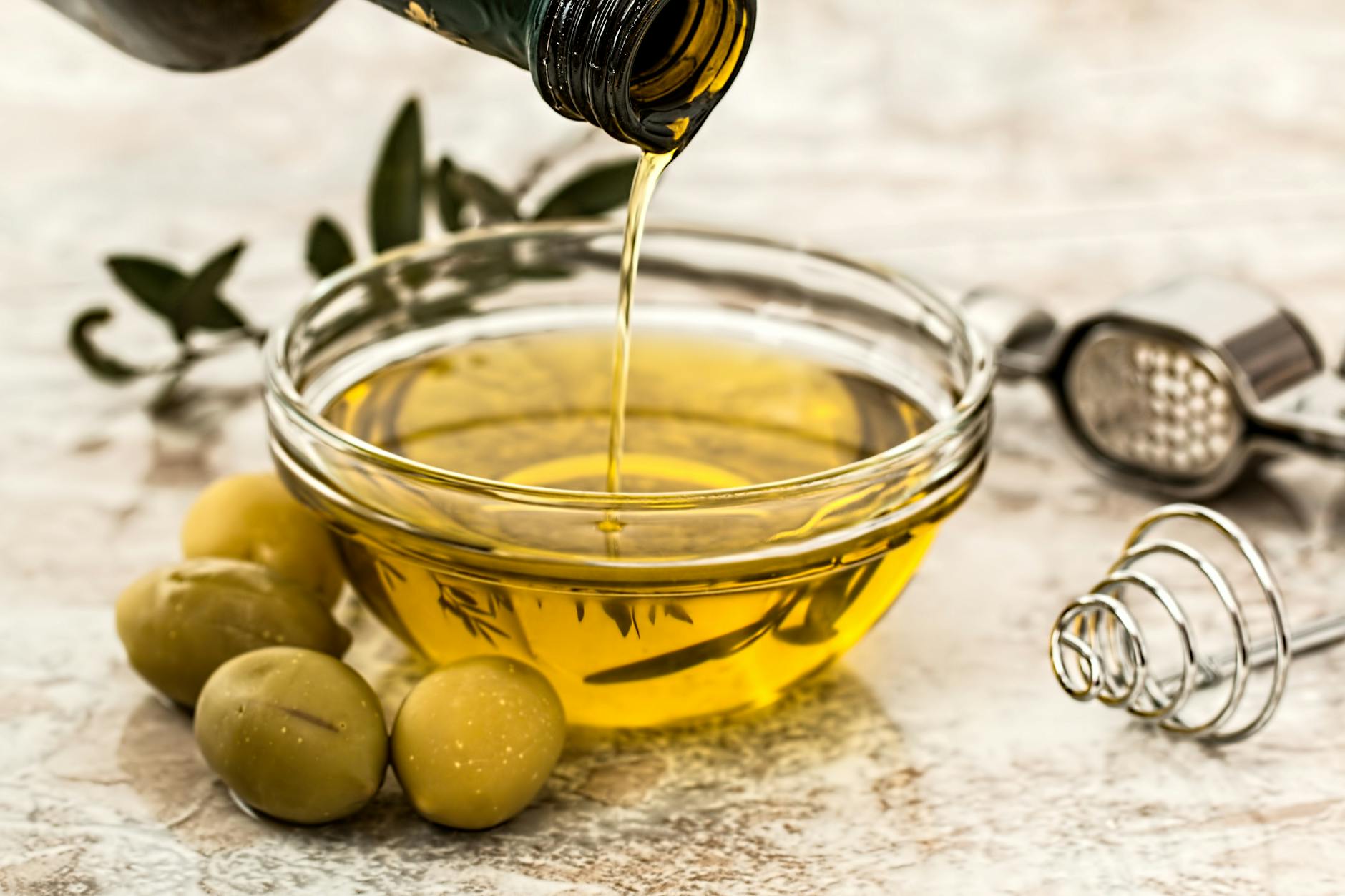
Olive oil substitutes
Olive oil contributes fat for heat transfer during cooking, moisture and tenderness in baked goods, and a fruity, slightly bitter flavor in raw applications like dressings and dips. In high-heat cooking, its smoke point (~375°F for extra-virgin, ~465°F for light/refined) determines how much it can take before breaking down. Substituting requires matching the fat's physical form (liquid oil) and considering whether the flavor contribution matters — in a vinaigrette it matters significantly, in a muffin it barely does.
Some links below are paid affiliate links. As an Amazon Associate, AltPantry earns from qualifying purchases at no extra cost to you.
| Rank | Substitute | Substitution ratio | What to expect |
|---|---|---|---|
| #1 | Neutral vegetable oil or canola oil | 1:1 by volume (e.g., 1/4 cup for 1/4 cup) | The most reliable all-purpose swap for cooking, sautéing, and baking — higher smoke points (~400–450°F) make it better for high-heat applications, but it contributes no flavor, so avoid it in raw preparations where olive oil's taste is the point. |
| #2 | Avocado oil | 1:1 by volume | High smoke point (~520°F) makes it the strongest substitute for high-heat searing and roasting; mild, neutral flavor works acceptably in dressings too, though it lacks olive oil's characteristic bitterness and fruitiness. |
| #3 | Grapeseed oil | 1:1 by volume | Very neutral flavor and a smoke point around 420°F make it a solid stand-in for sautéing and baking; widely recommended by Cook's Illustrated and Serious Eats for applications where you want fat with no intrusion on other flavors. |
| #4 | Melted refined coconut oil | 1:1 by volume (measure after melting) | Works well in baking and roasting at moderate heat (smoke point ~450°F refined); unrefined coconut oil adds a noticeable coconut flavor that clashes in savory applications — use refined only; solidifies at room temperature so not suitable for dressings. |
| #5 | Unsalted butter (melted) | 7/8 cup melted butter for 1 cup olive oil (butter is ~80% fat vs. ~100% for oil) | Works in a pinch for baking and low-to-medium-heat sautéing; adds dairy flavor and water content (~16–18%) which can affect browning and texture, and its smoke point (~300–350°F clarified) is lower — it will burn where olive oil would not. A well-tested fallback per King Arthur Baking, but noticeably different in result. |
| #6 | Light or refined olive oil | 1:1 by volume | Not a flavor substitute — it's still olive oil — but if the recipe calls for extra-virgin and you need a higher smoke point for frying (~465°F vs. ~375°F for EVOO), refined olive oil is the correct swap; flavor is almost entirely absent compared to extra-virgin. |
Substituting for a specific recipe?
The best substitute depends on what you're making. Pick your use case:
Following a specific diet?
These substitutes are filtered for dietary restrictions:
When to be careful
In recipes where olive oil's flavor is the primary ingredient — herb-forward dressings, Provençal sauces, bruschetta, aglio e olio — no neutral oil substitute will produce an equivalent result; the flavor difference will be obvious. Similarly, in an olive-oil cake where EVOO's fruity bitterness is a defining characteristic, switching to canola oil makes a noticeably blander product.
Why these substitutes work
Olive oil is a triglyceride composed mostly of oleic acid (a monounsaturated fatty acid), which gives it moderate oxidative stability and a distinctive flavor from trace phenolic compounds and volatile esters. In baking, liquid fat coats flour proteins and starches, inhibiting gluten development and creating a tender crumb — any liquid oil performs this function at a 1:1 ratio. In cooking, fat's role is primarily thermal: it transfers heat to food surfaces efficiently, and the smoke point determines how hot it can get before the triglycerides break down into acrolein and free fatty acids, which taste bitter and acrid.
For most cooking and baking applications, a neutral oil — canola oil or vegetable oil at a 1:1 ratio — is the right first choice. It matches olive oil’s liquid fat function without introducing competing flavors, and its higher smoke point makes it more forgiving over high heat. Avocado oil is worth keeping in mind specifically for high-heat searing and roasting where you want a cleaner result than refined olive oil provides.
The substitutes in the table above are ranked for reliability across the broadest range of uses. If the recipe depends on olive oil’s flavor — a simple vinaigrette, a Ligurian focaccia, a dish finished with a drizzle — there is no good substitute. In those cases, lower-quality or older olive oil is still preferable to any of the alternatives listed here.
Frequently asked questions
- Can I use butter instead of olive oil in baking?
- Yes, with an adjustment — use 7/8 the amount (e.g., 7 tbsp melted butter for 1/4 cup + 1 tbsp olive oil). Butter contains ~16–18% water and milk solids, which affect texture and browning. Results work but differ from the original, especially in olive oil–forward recipes like EVOO cake.
- What's the best olive oil substitute for high-heat frying?
- Avocado oil (smoke point ~520°F) or refined canola oil (~400–450°F) are the most widely recommended options. Extra-virgin olive oil's smoke point of ~375°F is too low for deep frying; even refined olive oil (~465°F) sits below avocado oil's ceiling.
- Does olive oil substitution affect nutrition significantly?
- All the common substitutes are similar in total fat and calories per tablespoon (~120 calories, ~14g fat). The difference is in fatty acid profile — olive oil is high in monounsaturated oleic acid, while canola oil is also high in oleic acid (~62%), making it nutritionally closer than coconut oil (high in saturated fat) or grapeseed oil (high in polyunsaturated linoleic acid).