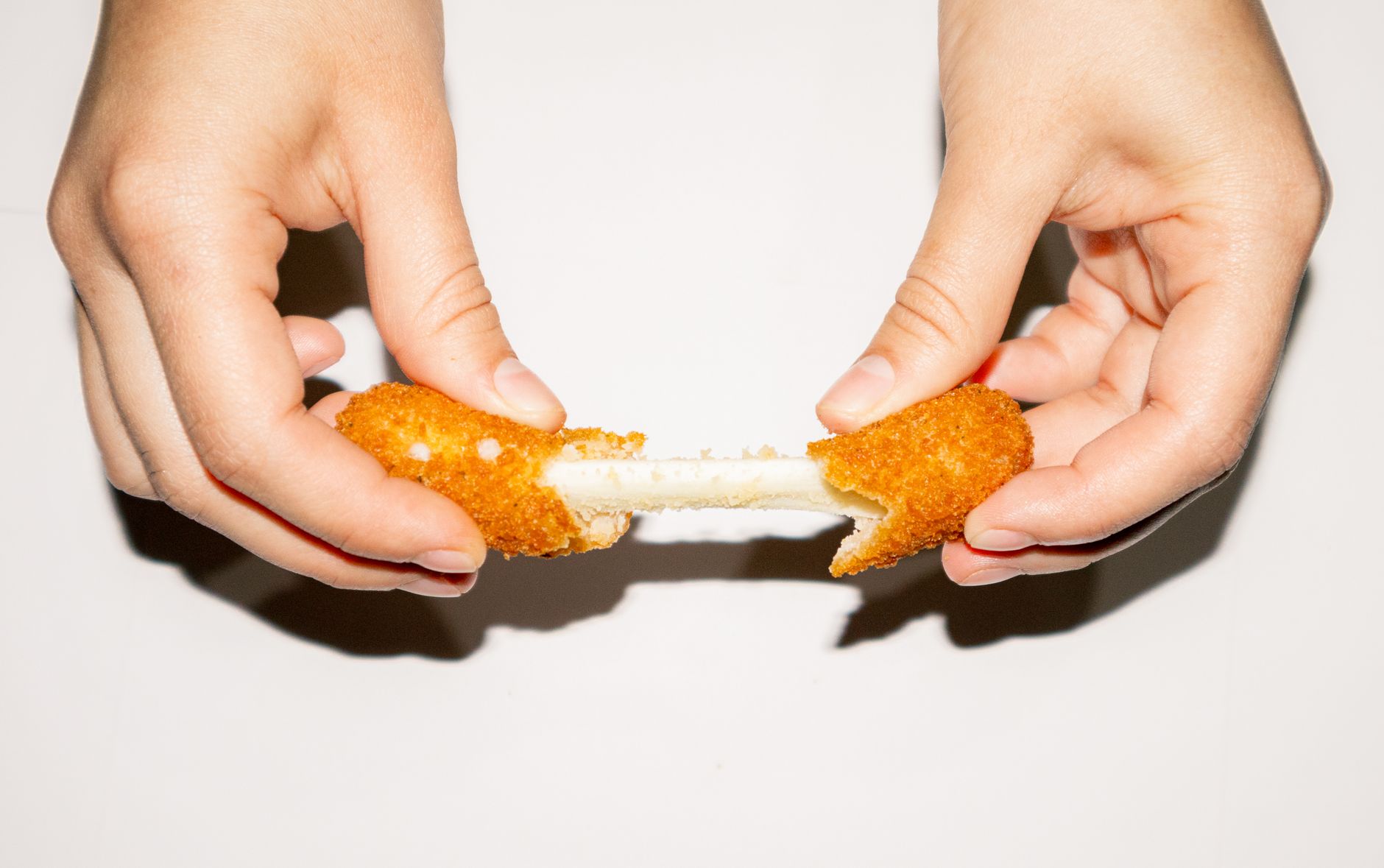
Mozzarella cheese substitutes
Mozzarella's defining characteristics are its high moisture content, mild flavor, and exceptional melt — it stretches into long, cohesive strands rather than breaking or greasing out. In baked dishes, it forms a brownable, bubbly crust without turning rubbery. Substituting requires matching whichever of these properties your recipe depends on most: a caprese salad needs fresh, milky texture, while a pizza needs clean melt and stretch.
Some links below are paid affiliate links. As an Amazon Associate, AltPantry earns from qualifying purchases at no extra cost to you.
| Rank | Substitute | Substitution ratio | What to expect |
|---|---|---|---|
| #1 | Provolone cheese | 1:1 by weight (e.g., 4 oz provolone for 4 oz mozzarella) | Melts and stretches comparably to low-moisture mozzarella; flavor is slightly more assertive and savory, which works well on pizza and in baked pasta but is noticeable in mild dishes. |
| #2 | Monterey Jack cheese | 1:1 by weight | Very close melt behavior and mild flavor; lacks mozzarella's characteristic pull but browns well and doesn't separate — a reliable all-purpose swap for casseroles and pizza. |
| #3 | Scamorza cheese | 1:1 by weight | Smoked scamorza adds a distinct smokiness; plain scamorza is essentially an aged mozzarella and the closest structural match for melting applications — stretch and texture are nearly identical. |
| #4 | Low-moisture part-skim ricotta cheese | 3/4 cup ricotta, drained, for every 4 oz shredded mozzarella | Works in layered baked dishes (lasagna, baked ziti) where creaminess matters more than melt; will not stretch or brown the same way and produces a noticeably different texture on pizza. |
| #5 | Young Asiago cheese | 1:1 by weight, shredded | Melts adequately but releases more fat than mozzarella; flavor is tangier and more pronounced — works in a pinch for pizza or flatbreads if you want added complexity, but noticeably worse for neutral-tasting applications. |
| #6 | Vegan mozzarella shreds (such as Violife or Miyoko's) | 1:1 by weight | The only practical option for dairy-free cooking; melt behavior varies significantly by brand — Miyoko's comes closest to real stretch, but most brands produce a softer, less cohesive melt and a slightly starchy aftertaste. Works in a pinch but noticeably different. |
When to be careful
Fresh mozzarella in a caprese salad or on a Neapolitan-style pizza has a specific milky flavor and soft, yielding texture that no aged or processed cheese replicates — in those contexts, substitution fundamentally changes the dish. Mozzarella sticks and fried applications also rely on the specific stretch behavior that most substitutes won't match.
Why these substitutes work
Mozzarella is a pasta filata ("spun paste") cheese: during production, the curd is heated and kneaded, aligning the casein protein strands into long parallel chains that slide past each other when hot, producing stretch. Its relatively low fat content and neutral pH allow it to melt without significant oil separation. Substitutes like Monterey Jack and provolone share a similar pH and casein structure, which is why their melt behavior is closest; high-fat aged cheeses break the emulsion more readily and pool grease.
For most cooked applications — pizza, baked pasta, stuffed chicken, quesadillas — provolone or Monterey Jack are the only substitutes worth reaching for first. Both melt cleanly, don’t separate into grease, and have mild enough flavors to stay in the background. Scamorza is the most technically accurate match if you can find it, particularly for Neapolitan-style applications.
The further you move down the ranked list, the more the recipe’s character shifts rather than simply substituting one ingredient. Ricotta changes the dish’s structure; vegan shreds change both texture and flavor. Use those options when dietary restrictions require it, not as convenience swaps.
Frequently asked questions
- Can I use cheddar instead of mozzarella on pizza?
- Cheddar melts but doesn't stretch, and its sharper flavor and higher fat content cause it to separate into grease pools at high oven temperatures. It works in a pinch for a home pizza but produces a noticeably different — and generally worse — result. A blend of 75% Monterey Jack and 25% cheddar handles the heat better than straight cheddar.
- Can I substitute fresh mozzarella for low-moisture mozzarella on pizza?
- Fresh mozzarella contains 50–60% water compared to about 45% in low-moisture. That extra moisture releases during baking and makes the crust soggy unless you slice it thin, blot it thoroughly with paper towels, and use a very hot oven (500°F / 260°C or higher). It's a swap that requires active management, not a simple 1:1 replacement.
- Does the substitution work for making mozzarella sticks?
- Provolone and Monterey Jack can be used for fried cheese sticks, but neither stretches as dramatically or holds together as cleanly as low-moisture mozzarella when bitten into. The result is edible but the signature pull is reduced. String cheese (which is just low-moisture mozzarella) is the actual closest substitute for this application.