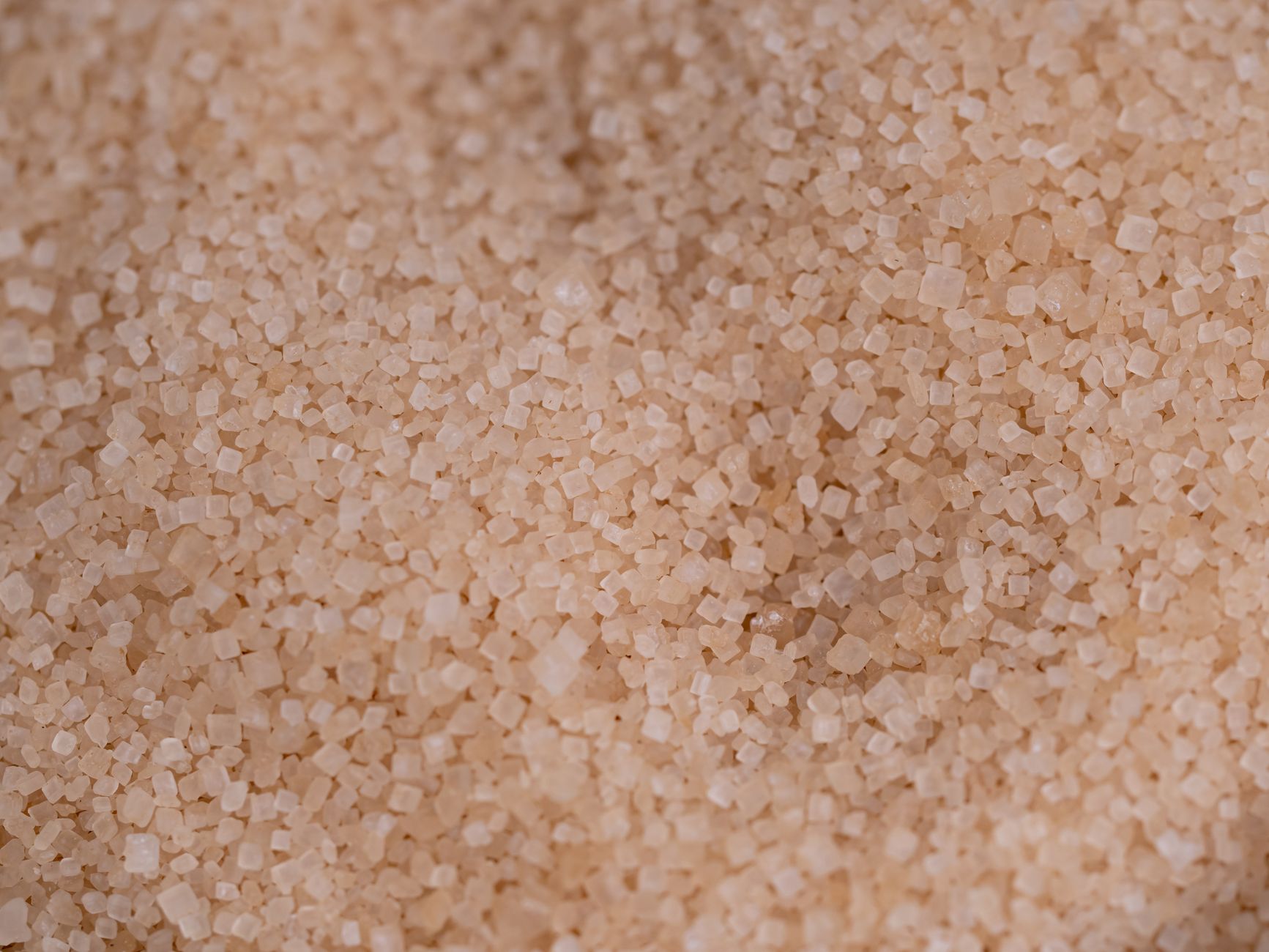
Molasses substitutes
Molasses provides deep, bitter-edged sweetness, dark color, and significant moisture to recipes. It also contributes acidity, which activates baking soda and affects gluten development in baked goods. Replacing it requires matching all three properties — sweetness, moisture, and acidity — not just flavor, or the results will be noticeably off.
Some links below are paid affiliate links. As an Amazon Associate, AltPantry earns from qualifying purchases at no extra cost to you.
| Rank | Substitute | Substitution ratio | What to expect |
|---|---|---|---|
| #1 | Dark brown sugar dissolved in water | 3/4 cup packed dark brown sugar + 1/4 cup warm water per 1 cup molasses | Dark brown sugar is already roughly 10% molasses by weight, so this closely mimics both flavor depth and moisture content; works well in cookies, gingerbread, and marinades. |
| #2 | Honey | 3/4 cup honey per 1 cup molasses | Honey matches moisture and viscosity but tastes distinctly floral and lacks the bitter edge of molasses; acceptable in marinades and some quick breads, but noticeably different in strongly molasses-forward recipes like gingerbread or baked beans. |
| #3 | Pure maple syrup | 3/4 cup pure maple syrup per 1 cup molasses | Similar viscosity and some complexity, but maple flavor is its own thing and will come through clearly; best used in recipes where molasses is a background note rather than the defining flavor. |
| #4 | Black treacle | 1 cup black treacle per 1 cup molasses | True 1:1 swap — black treacle is the British equivalent and is functionally identical in baking; harder to source in the US but the most accurate substitute available. |
| #5 | Sorghum syrup | 1 cup sorghum syrup per 1 cup molasses | Similar color, viscosity, and bittersweet profile; widely recommended as a near-equivalent in Southern baking traditions and by sources like Serious Eats, though slightly less robust in flavor than blackstrap. |
| #6 | Dark corn syrup | 1 cup dark corn syrup per 1 cup molasses | Works in a pinch for texture and color in baked goods and glazes, but flavor is far milder and lacks the bitter complexity of molasses — the result will be noticeably sweeter and shallower; use only when molasses is a minor ingredient. |
When to be careful
No substitute reliably replicates blackstrap molasses in recipes where it is the dominant flavoring — classic gingerbread, Boston baked beans, or shoo-fly pie will taste distinctly different with any swap. Recipes relying on molasses's acidity to leaven via baking soda (rather than baking powder) may also under-rise if the substitute is non-acidic, such as corn syrup or honey.
Why these substitutes work
Molasses is the byproduct of sugar refining — the mineral-rich, partially-inverted sugar syrup drained from crystallized cane sugar. Its low pH (roughly 5–5.5 for unsulfured molasses) reacts with alkaline baking soda to produce carbon dioxide, providing leavening. The invert sugars it contains also hold moisture more effectively than sucrose, keeping baked goods soft longer; substitutes that don't share this hygroscopic property will produce drier crumbs over time.
For most everyday baking — cookies, quick breads, glazes — dark brown sugar dissolved in water (3/4 cup sugar + 1/4 cup water) is the substitute most experienced bakers reach for first, and it performs reliably across the widest range of recipes. If you have black treacle or sorghum syrup on hand, either is a cleaner 1:1 swap with less flavor compromise.
For recipes where molasses is the primary flavor driver — gingerbread, baked beans, shoo-fly pie — no substitute produces an identical result. The table above covers the best available options ranked by how close they come, but going out of your way to get actual molasses is worth it for those recipes.
Frequently asked questions
- Can I use light molasses and dark molasses interchangeably?
- They work interchangeably in most recipes, but dark (full) molasses has a stronger, more bitter flavor than light (mild) molasses — if a recipe specifies dark, using light will produce a noticeably milder result. Blackstrap molasses is significantly more bitter than both and is not a general-purpose swap.
- Does any substitute work equally well for both flavor and leavening?
- Dark brown sugar dissolved in water comes closest, since it retains some molasses acidity and flavor. Honey and maple syrup are mildly acidic and may activate baking soda, but not as reliably — if leavening is critical, consider adding 1/4 tsp cream of tartar per cup of non-acidic substitute used.
- How long does molasses keep once opened?
- Unsulfured molasses stores at room temperature for up to 1 year after opening if sealed tightly. Crystallization or fermented smell are signs it has gone off.