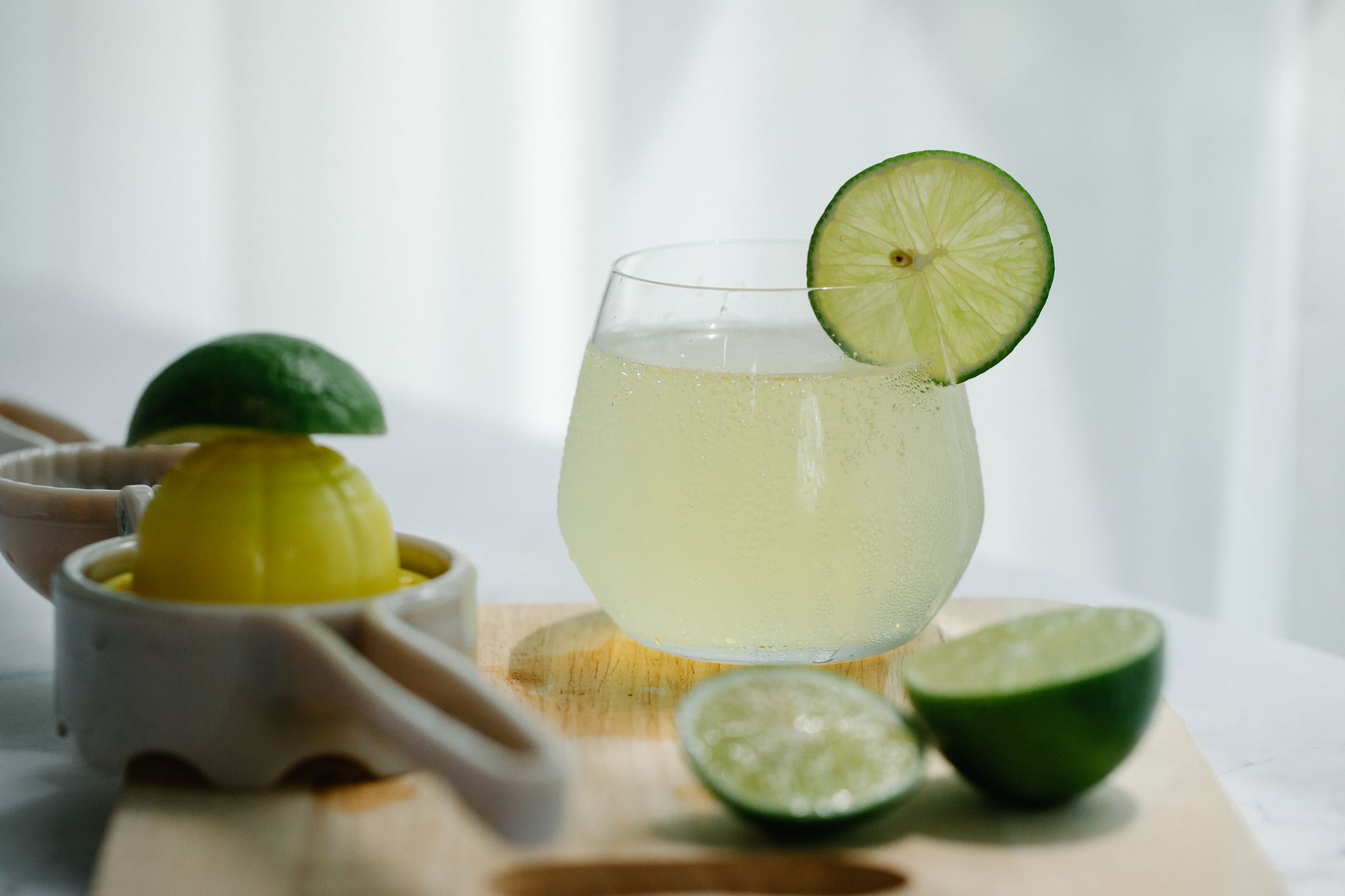
Lime juice substitutes
Lime juice provides sharp, citric acidity and a distinct floral-tart flavor that brightens sauces, marinades, dressings, and baked goods. It also performs chemical work: activating baking soda, denaturing proteins in dishes like ceviche, and balancing sweetness in syrups and cocktails. Substituting requires matching both the acidity level and, where the lime flavor itself matters, at least some of the aromatic character.
Some links below are paid affiliate links. As an Amazon Associate, AltPantry earns from qualifying purchases at no extra cost to you.
| Rank | Substitute | Substitution ratio | What to expect |
|---|---|---|---|
| #1 | Lemon juice | 1:1 — use the same volume of fresh lemon juice | Closest match in acidity and behavior; flavor is brighter and slightly less floral than lime, which is noticeable in raw applications like guacamole or margaritas but largely undetectable in cooked dishes. |
| #2 | Bottled lime juice | 1:1 — use the same volume | Chemically equivalent acidity to fresh lime juice, but the flavor is flatter and slightly sulfurous; fine for cooked applications, marinades, and baking, but a step down in any recipe where fresh lime flavor is the point. |
| #3 | White wine vinegar | 1/2 tsp white wine vinegar per 1 tbsp lime juice called for | Provides the needed acidity for leavening activation or balancing sweetness, but adds no citrus flavor; works well in baked goods, dressings, and cooked sauces where lime is a background acid rather than a featured flavor. |
| #4 | Apple cider vinegar | 1/2 tsp apple cider vinegar per 1 tbsp lime juice called for | Slightly fruity acidity makes it a better vinegar substitute than distilled white in cooked dishes and marinades; the apple note is detectable in delicate recipes, so use with awareness. |
| #5 | Orange juice plus white wine vinegar | 2 tsp orange juice + 1 tsp white wine vinegar per 1 tbsp lime juice | The combination mimics lime's citrus aroma and acid level reasonably well in cooked sauces, glazes, and marinades; orange juice is much sweeter and lower in acid on its own, so vinegar is necessary to bring the pH in line. |
| #6 | Tamarind paste | 1 tsp tamarind paste dissolved in 2 tsp water per 1 tbsp lime juice | A works-in-a-pinch option for savory Southeast Asian and Mexican-adjacent dishes that already lean earthy and tangy; flavor profile is substantially different — deeper and more complex — so this is a last resort, not a clean swap. |
When to be careful
In recipes where lime flavor is the primary identity — key lime pie, margaritas, lime curd, or fresh lime-heavy salsas — no substitute will fully replicate the distinct floral-tart character, and most readers will notice the difference. Ceviche is also a special case: while any acid will denature the proteins, lime's specific flavor is integral to the dish.
Why these substitutes work
Lime juice has a pH of roughly 2.0–2.5, driven primarily by citric acid. This acidity activates baking soda (converting it to CO₂ for leavening), denatures proteins in raw preparations like ceviche, and chemically balances sweetness and fat in dressings and sauces. Lemon juice works interchangeably because it shares a similar citric acid concentration and pH; vinegars match the acidity but substitute acetic acid for citric, which produces slightly sharper, less rounded flavor at the same functional result.
For most cooked applications — marinades, sauces, baked goods, and dressings — fresh lemon juice is the substitute to reach for first. The acidity is essentially identical, the flavor difference is minor once heat or other strong ingredients are involved, and it’s what the majority of experienced cooks recommend without reservation. Bottled lime juice is the better call when you specifically need lime flavor but don’t have fresh limes on hand.
When lime juice is acting purely as a background acid (activating leavening, tenderizing meat, cutting sweetness), white wine vinegar or apple cider vinegar at half the volume will do the functional job cleanly. Save the more creative combinations in the table — orange juice with vinegar, or tamarind — for situations where you’ve exhausted the simpler options and the dish can absorb a slightly different flavor direction.
Frequently asked questions
- Can I use bottled lime juice instead of fresh?
- Yes for cooked applications, baking, and marinades. For raw preparations where lime flavor is central — guacamole, ceviche, cocktails — fresh lime juice is noticeably better; bottled juice loses volatile aromatics during processing and often has off-notes.
- How much lemon juice equals the juice of one lime?
- One lime yields roughly 1.5–2 tbsp of juice; use the same volume of fresh lemon juice. The acidity is equivalent, and in cooked dishes the flavor difference is minimal.
- Can I use lime zest to compensate when I'm out of lime juice?
- Zest adds lime's floral aroma but contains essentially no acid, so it cannot replace lime juice where acidity matters (leavening, protein denaturing, dressing balance). It can help restore lime character when you're using lemon juice as a swap and want the flavor closer to lime.