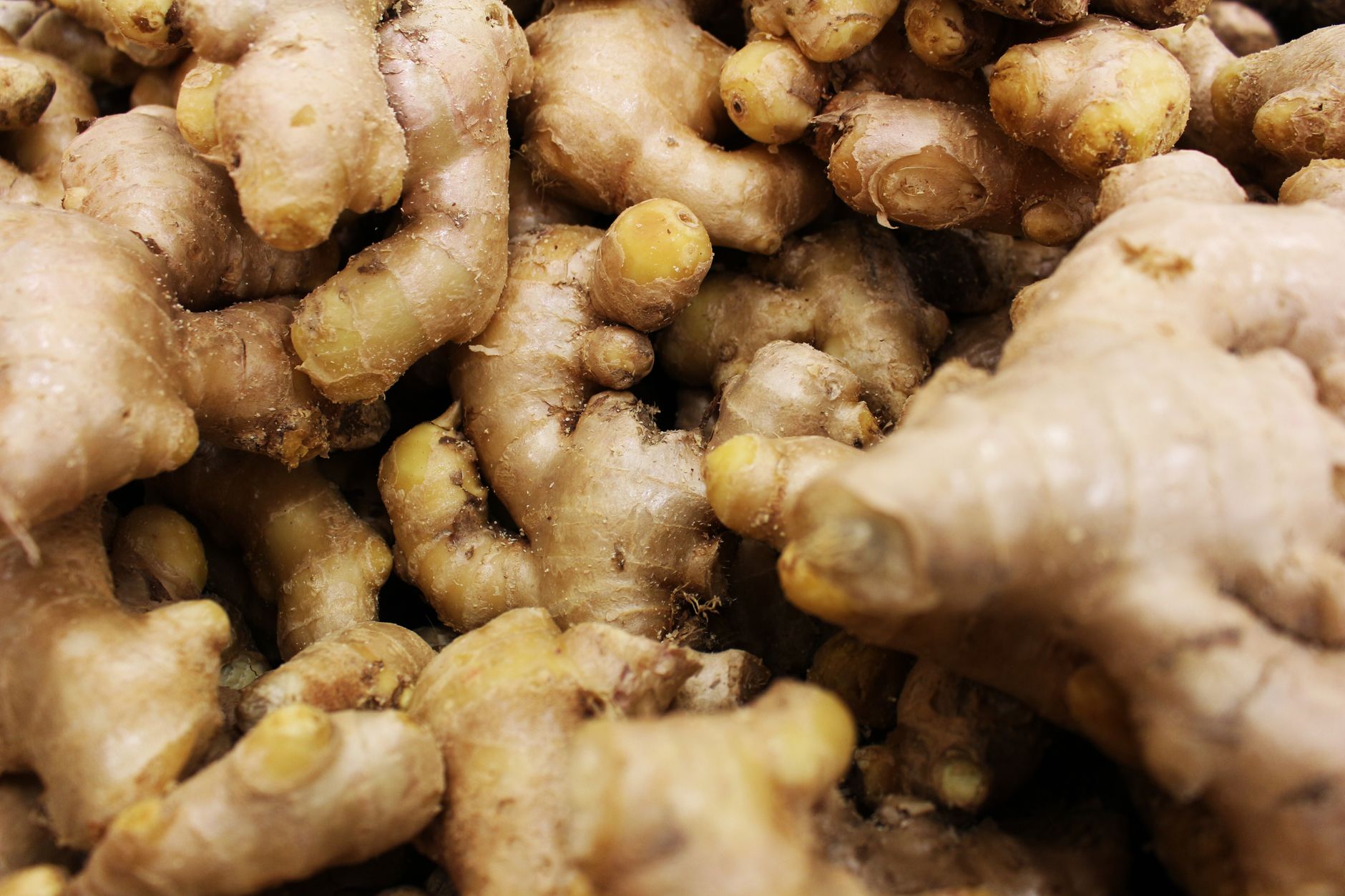
Ginger substitutes
Ginger contributes a sharp, warm heat and citrusy brightness to both sweet and savory dishes, coming from the compound gingerol (fresh) and shogaol (dried). The form matters enormously: fresh ginger delivers a floral, pungent bite, while ground ginger is earthier and more muted. Substituting across forms or using a different spice entirely will shift flavor noticeably, so matching the intended role — heat, aroma, or both — is the priority.
Some links below are paid affiliate links. As an Amazon Associate, AltPantry earns from qualifying purchases at no extra cost to you.
| Rank | Substitute | Substitution ratio | What to expect |
|---|---|---|---|
| #1 | Ground ginger (as a substitute for fresh ginger) | 1/4 tsp ground ginger per 1 tbsp (6 g) fresh ginger, grated | Ground ginger lacks the bright, citrusy edge of fresh but delivers the same warm heat; best for baked goods and braises where fresh ginger's volatiles would cook off anyway. |
| #2 | Fresh ginger (as a substitute for ground ginger) | 1 tbsp (6 g) grated fresh ginger per 1/4 tsp ground ginger called for | Fresh adds more moisture and a sharper bite than ground; works well in sauces and marinades but can make dry baked goods slightly wetter — reduce another liquid by 1 tsp if needed. |
| #3 | Galangal (fresh or ground) | Use 1:1 by volume for fresh ginger; 1:1 by volume for ground ginger | Galangal is sharper, more piney, and slightly more medicinal than ginger — a reasonable stand-in in Thai and Southeast Asian dishes but noticeably different in baked goods where ginger's sweetness matters. |
| #4 | Allspice and nutmeg (combined, as a substitute for ground ginger in baking) | 1/8 tsp ground allspice + 1/8 tsp ground nutmeg per 1/4 tsp ground ginger | This combination approximates the warm-spice profile of ginger in cookies and quick breads; it won't replicate the heat but keeps the aromatic character of the dish largely intact. |
| #5 | Crystallized ginger (as a substitute for ground ginger in baking) | 1 tbsp (14 g) finely minced crystallized ginger per 1/4 tsp ground ginger; reduce sugar in the recipe by 1 tsp | Crystallized ginger is coated in sugar, so it adds both ginger flavor and sweetness — works in gingerbread, muffins, and cookies, but can create pockets of chewy texture and makes precise sweetness control harder. |
| #6 | Ginger paste (jarred) | 1/2 tsp ginger paste per 1 tbsp (6 g) fresh ginger, grated | Jarred ginger paste is a reliable 1-to-1 functional substitute for fresh in cooked savory dishes; flavor is close but slightly more muted and sometimes includes added oil or citric acid — check the label before using in delicate recipes. |
When to be careful
No substitute replicates fresh ginger's role in recipes where it is the primary flavor and is served raw or lightly heated — ginger-forward drinks like fresh ginger tea, ginger-lemon shots, or fresh ginger dressings will taste flat with any dried or processed alternative. Similarly, ground ginger cannot replace fresh ginger in recipes that rely on its enzymatic activity, such as ginger-marinated meat (gingerol acts as a tenderizer), because drying destroys that enzyme.
Why these substitutes work
Fresh ginger's heat and aroma come primarily from gingerol, a phenolic compound that is volatile and degrades quickly with heat or drying. When ginger is dried, gingerol converts to shogaol (roughly twice as pungent) and zingerone (sweeter, less sharp), which is why ground ginger tastes warmer and less bright than fresh. Galangal contains similar but structurally distinct phenolic compounds — enough overlap to approximate ginger's effect in complex spiced dishes, but the difference is detectable in simple preparations.
For most everyday cooking, the form-swap substitutions — ground for fresh or fresh for ground — are where the table above earns its keep. These are tested extensively by baking authorities (King Arthur Baking and America’s Test Kitchen both publish the 1/4 tsp ground per 1 tbsp fresh ratio as standard), and they cover the majority of situations where you simply ran out of one form.
If you need a flavor substitute rather than a form swap — meaning you have no ginger at all — the options narrow quickly. Galangal is the most structurally similar alternative for savory cooking, particularly in Southeast Asian dishes. In baked goods, the allspice-nutmeg combination keeps the warm-spice profile alive without ginger’s heat. None of these are seamless replacements; they are the best available options when ginger is genuinely unavailable.
Frequently asked questions
- Can I use ground ginger instead of fresh ginger in a stir-fry?
- It works in a pinch — use 1/4 tsp ground ginger per 1 tbsp fresh — but the result will be noticeably flatter. Stir-fries rely on fresh ginger's bright, volatile aroma hitting hot oil; ground ginger is more muted and earthy in that context.
- Is the ratio really only 1/4 tsp ground ginger per tablespoon of fresh?
- Yes. Ground ginger is more concentrated and has a different flavor profile — shogaol is roughly twice as pungent as gingerol. Using a 1:1 swap by volume would make the dish significantly more bitter and harsh.
- Can I substitute ginger with cinnamon?
- Only marginally. Cinnamon shares the "warm spice" category but has almost no overlapping flavor compounds with ginger. It can help maintain a warm-spice character in a baked good if ginger is just one of several spices, but it is not a reliable standalone substitute for ginger in any recipe where ginger is prominent.