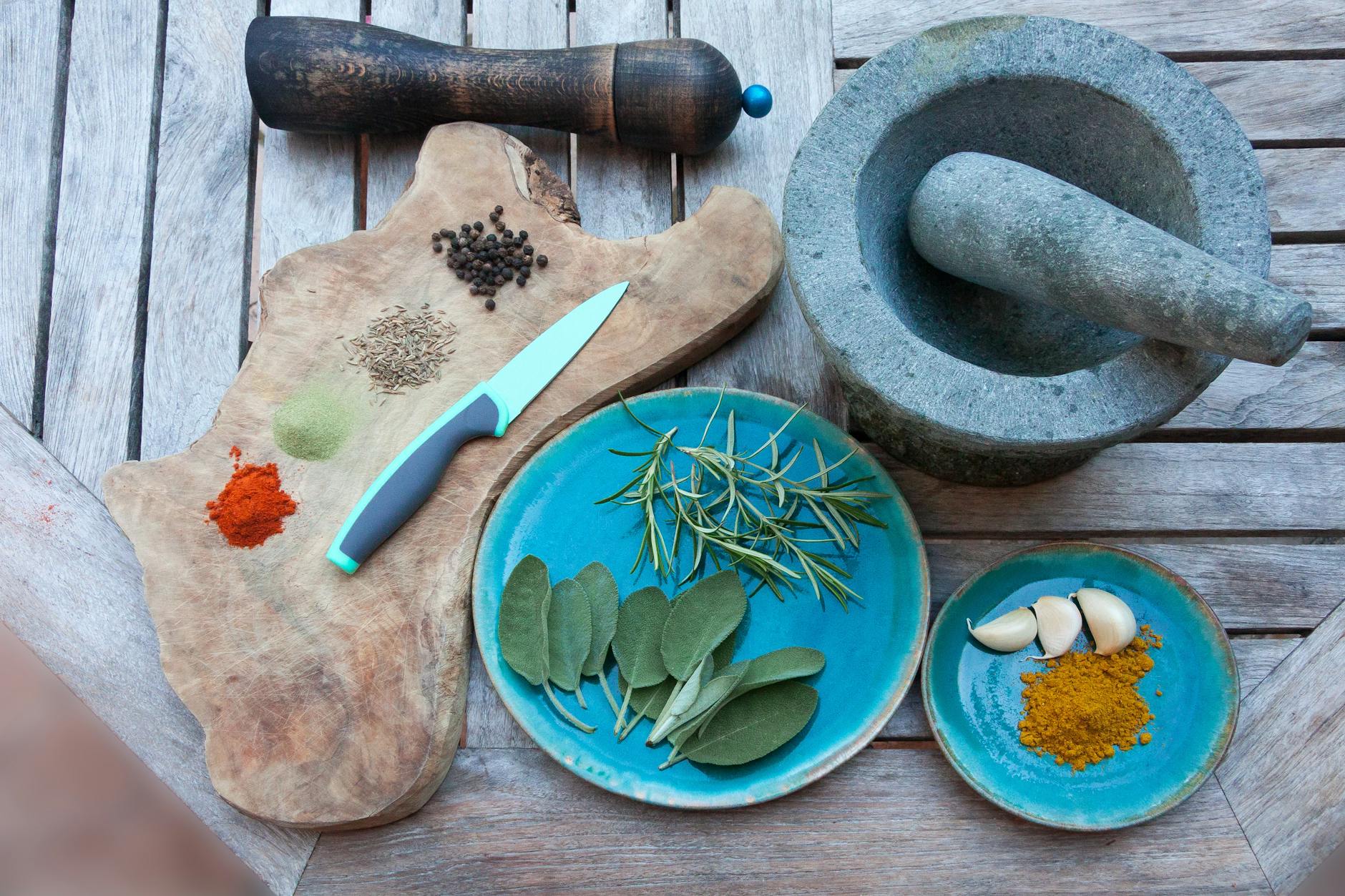
Garlic powder substitutes
Garlic powder is dehydrated, finely ground garlic that disperses evenly through dry spice blends, coatings, and sauces without adding moisture. It delivers a mellow, slightly sweet garlic flavor that integrates seamlessly into a dish rather than providing the sharp bite of raw garlic. Substituting requires care because fresh garlic adds moisture and a pungency that can overwhelm, while granulated garlic has a coarser texture that behaves differently in dry rubs.
Some links below are paid affiliate links. As an Amazon Associate, AltPantry earns from qualifying purchases at no extra cost to you.
| Rank | Substitute | Substitution ratio | What to expect |
|---|---|---|---|
| #1 | Granulated garlic | Use 2 tsp granulated garlic for every 1 tsp garlic powder | The closest structural substitute — same dehydrated base, just coarser ground; works in all contexts garlic powder does, though it may not fully dissolve in thin sauces. |
| #2 | Fresh garlic cloves | Use 1 medium clove (about 1/4 tsp minced) for every 1/4 tsp garlic powder | Delivers sharper, more pungent flavor and adds moisture; works well in cooked sauces and soups but fails in dry rubs, spice blends, and recipes where moisture balance is critical. |
| #3 | Garlic salt | Use 1/2 tsp garlic salt for every 1/4 tsp garlic powder, then reduce added salt in the recipe by 1/4 tsp | Works in a pinch but requires careful salt adjustment to avoid over-salting; not suitable when the recipe already has salt tightly controlled. |
| #4 | Minced garlic in jar (pre-minced garlic) | Use 1/2 tsp jarred minced garlic for every 1/4 tsp garlic powder | Adds noticeable moisture and a slightly fermented, less-bright flavor compared to fresh; adequate in slow-cooked dishes but will noticeably change texture in dry applications — avoid in rubs or dry mixes. |
| #5 | Garlic flakes (dehydrated minced garlic) | Use 1/2 tsp garlic flakes for every 1/4 tsp garlic powder; crush between fingers before adding | Rehydrates slower than garlic powder, so works best in dishes with extended cooking time or enough liquid to soften them; noticeable texture remains in quick-cook recipes. |
| #6 | Asafoetida (hing) | Use a pinch (1/16 tsp) for every 1/4 tsp garlic powder | Works in a pinch only when garlic flavor is meant as a background note in cooked dishes — flavor is sharper, more sulfurous, and quite distinct; use sparingly and only in cooked applications. |
When to be careful
Dry rubs, spice-crusted proteins, and shelf-stable spice blends are the hardest contexts to substitute — fresh garlic and jarred garlic both introduce moisture that will cause caking or prevent a proper crust from forming. In baked goods where garlic powder is a dry ingredient, only granulated garlic or garlic flakes (well-crushed) are safe replacements.
Why these substitutes work
Garlic powder's flavor comes from allicin precursors and related organosulfur compounds that were converted and then stabilized during the dehydration process, producing a mellower, more fat-soluble flavor profile than raw garlic. Because it's dry, it distributes uniformly through spice blends and adheres to surfaces without clumping or releasing moisture. Fresh garlic triggers a sharper allicin reaction upon cell damage, which is why it tastes more pungent and why the flavor behaves differently in heat — it's not simply a stronger version of the same thing.
For most recipes, granulated garlic is the only substitute that behaves nearly identically to garlic powder across all applications — dry rubs, sauces, soups, and spice blends. Fresh garlic is the right call when you’re cooking a sauce or braise and don’t mind a sharper, more present garlic character, but it’s the wrong move any time the recipe depends on a dry ingredient.
The substitutes ranked 3 through 6 in the table above are all meaningful compromises. Garlic salt and jarred minced garlic work in cooked, wet applications but require adjustments. Asafoetida is listed for completeness — it’s a functional stand-in only when garlic is playing a minor supporting role, and the flavor difference is noticeable enough that it shouldn’t be the first choice unless garlic powder genuinely isn’t available.
Frequently asked questions
- Can I use garlic salt instead of garlic powder?
- Yes, but you must reduce other salt in the recipe. Replace 1/4 tsp garlic powder with 1/2 tsp garlic salt and cut the recipe's added salt by 1/4 tsp. If the recipe has no other added salt, garlic salt will still over-season most dishes.
- How much fresh garlic equals 1 teaspoon of garlic powder?
- 1 tsp garlic powder is roughly equivalent to 4 medium cloves of fresh garlic. The conversion is approximately 1 medium clove per 1/4 tsp garlic powder, though fresh garlic is noticeably sharper and adds moisture.
- Does garlic powder go bad, and does old garlic powder still substitute the same way?
- Garlic powder doesn't spoil in a way that's unsafe, but it loses potency significantly after 1–2 years. If your garlic powder smells faint or dusty rather than sharp, you'll need to increase the amount — start with 1.5x the recipe quantity and adjust from there.