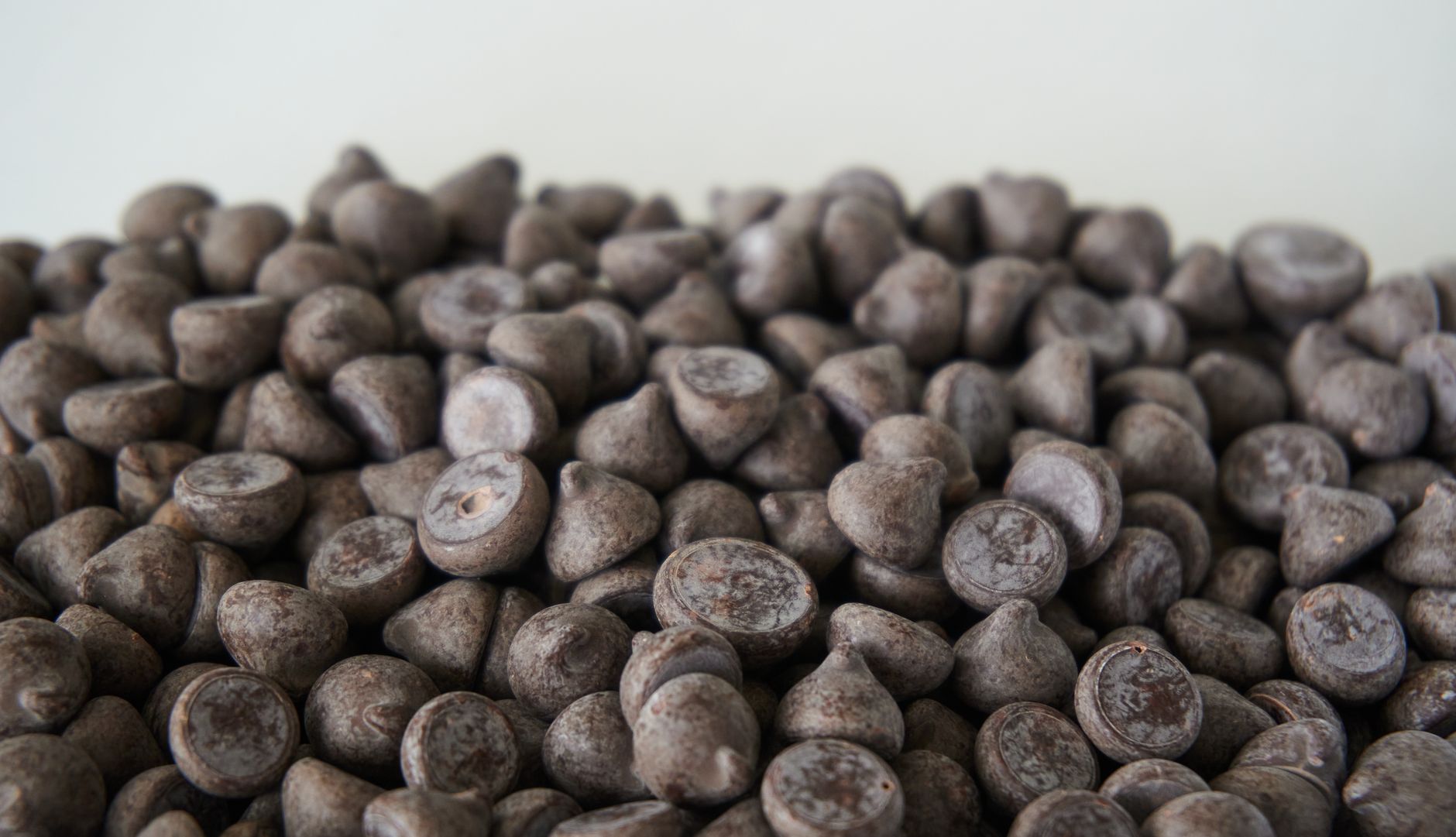
Dark chocolate substitutes
Dark chocolate contributes fat (from cocoa butter), deep roasted bitterness, and structure to baked goods and sauces. In solid form it also provides emulsification and a specific melt texture that affects ganaches, mousses, and dipped confections. Substituting requires matching both fat content and cocoa concentration — swapping by weight alone often produces dry, flat, or excessively sweet results.
Some links below are paid affiliate links. As an Amazon Associate, AltPantry earns from qualifying purchases at no extra cost to you.
| Rank | Substitute | Substitution ratio | What to expect |
|---|---|---|---|
| #1 | Bittersweet chocolate | 1 oz bittersweet chocolate for every 1 oz dark chocolate | Bittersweet chocolate is generally 60–70% cacao versus dark chocolate's typical 70–85%, so results are marginally sweeter and slightly softer in flavor; functionally interchangeable in most baking and ganache applications. |
| #2 | Unsweetened cocoa powder plus butter or neutral oil | 3 tbsp (18 g) unsweetened cocoa powder + 1 tbsp (14 g) unsalted butter or neutral oil per 1 oz (28 g) dark chocolate | This is the most widely cited baking substitution across King Arthur and America's Test Kitchen — it replicates cocoa solids and fat, but lacks cocoa butter's specific crystalline structure, so ganache and glazes will not set with the same snap or sheen. |
| #3 | Dutch-process cocoa powder plus butter or neutral oil | 3 tbsp (18 g) Dutch-process cocoa powder + 1 tbsp (14 g) unsalted butter or neutral oil per 1 oz (28 g) dark chocolate | Produces a darker color and smoother, less acidic flavor than natural cocoa; works well in brownies and chocolate cakes but may reduce leavening in recipes that rely on the acid in natural cocoa to activate baking soda — use with baking powder if in doubt. |
| #4 | Unsweetened baking chocolate plus granulated sugar | 1 oz (28 g) unsweetened baking chocolate + 2 tsp (8 g) granulated sugar per 1 oz dark chocolate | Unsweetened chocolate has roughly the same fat and cocoa-solid ratio as dark chocolate without any sugar; adding sugar brings it to an approximate sweetness match and the texture in finished baked goods is nearly identical to using dark chocolate outright. |
| #5 | Semisweet chocolate chips | 1 oz (28 g) semisweet chocolate chips per 1 oz dark chocolate; reduce any added sugar in the recipe by 1–2 tsp | Semisweet chips (typically 45–55% cacao) are noticeably sweeter and contain stabilizers that resist full melting, making them a weak substitute in ganache or tempering applications but acceptable in cookie doughs and brownies where exact texture is less critical. |
| #6 | Carob chips | 1 oz (28 g) carob chips per 1 oz dark chocolate | Works in a pinch but noticeably worse — carob contains no caffeine or theobromine and has a distinctly different, milder, mildly astringent flavor; fat content varies by brand so baked goods can turn out denser or drier; not suitable where chocolate flavor is central to the dish. |
When to be careful
No substitute reliably works in tempered chocolate applications — dipped truffles, molded chocolates, and chocolate bark require cocoa butter's precise crystalline behavior to set with gloss and snap. Cocoa-powder-based swaps also fall short in recipes where melted chocolate is the primary structure-building ingredient, such as flourless chocolate cake or chocolate soufflé, where the emulsifying proteins in chocolate matter.
Why these substitutes work
Dark chocolate's cocoa butter is a polymorphic fat that crystallizes in six forms; only Form V crystals (achieved through tempering) produce the glossy surface and clean snap associated with high-quality chocolate. Cocoa solids contain flavonoids, theobromine, and Maillard-reaction compounds that create bitterness and depth — these are present in any unsweetened cocoa powder, which is why cocoa-plus-fat substitutes work reasonably well in baked goods. Adding fat back when substituting cocoa powder restores the total fat percentage that batter formulas depend on for tenderness and moisture retention.
For most baked goods — brownies, chocolate cookies, chocolate cake — the cocoa powder plus butter substitution (rank 2) and the bittersweet chocolate swap (rank 1) cover the vast majority of situations without a noticeable drop in quality. The unsweetened baking chocolate plus sugar option (rank 4) is worth keeping in mind if you have that on hand, since it most closely mirrors dark chocolate’s structure and fat profile.
Where things get complicated is in anything that depends on chocolate’s physical behavior rather than just its flavor: ganache, molded confections, and chocolate glazes. In those cases, reach for the closest solid-chocolate option available and accept that results may vary slightly in sheen or snap. Carob is listed for completeness but should be treated as a last resort — it is a genuinely different ingredient with a different flavor profile, not a true stand-in.
Frequently asked questions
- Can I substitute milk chocolate for dark chocolate?
- Not reliably. Milk chocolate is 10–40% cacao versus dark chocolate's 70–85% and contains added milk solids, which significantly change moisture balance, sweetness, and melting behavior. Baked goods will come out measurably sweeter and the chocolate flavor will be muted.
- Does the cocoa powder substitute work for chocolate ganache?
- It works but produces an inferior ganache — cocoa powder lacks cocoa butter, so the ganache will be thinner, less stable at room temperature, and will not set with the same smooth, sliceable texture. Use a solid chocolate substitute (bittersweet or unsweetened baking chocolate plus sugar) for ganache instead.
- How do I substitute for dark chocolate when a recipe gives the amount in cups of chips?
- Standard chocolate chips measure roughly 6 oz (170 g) per 1 cup. Use that weight figure to scale any cocoa-powder ratio (approximately 18 tbsp cocoa + 6 tbsp butter per cup of chips called for), or replace cup-for-cup with bittersweet chips and adjust sweetness if needed.