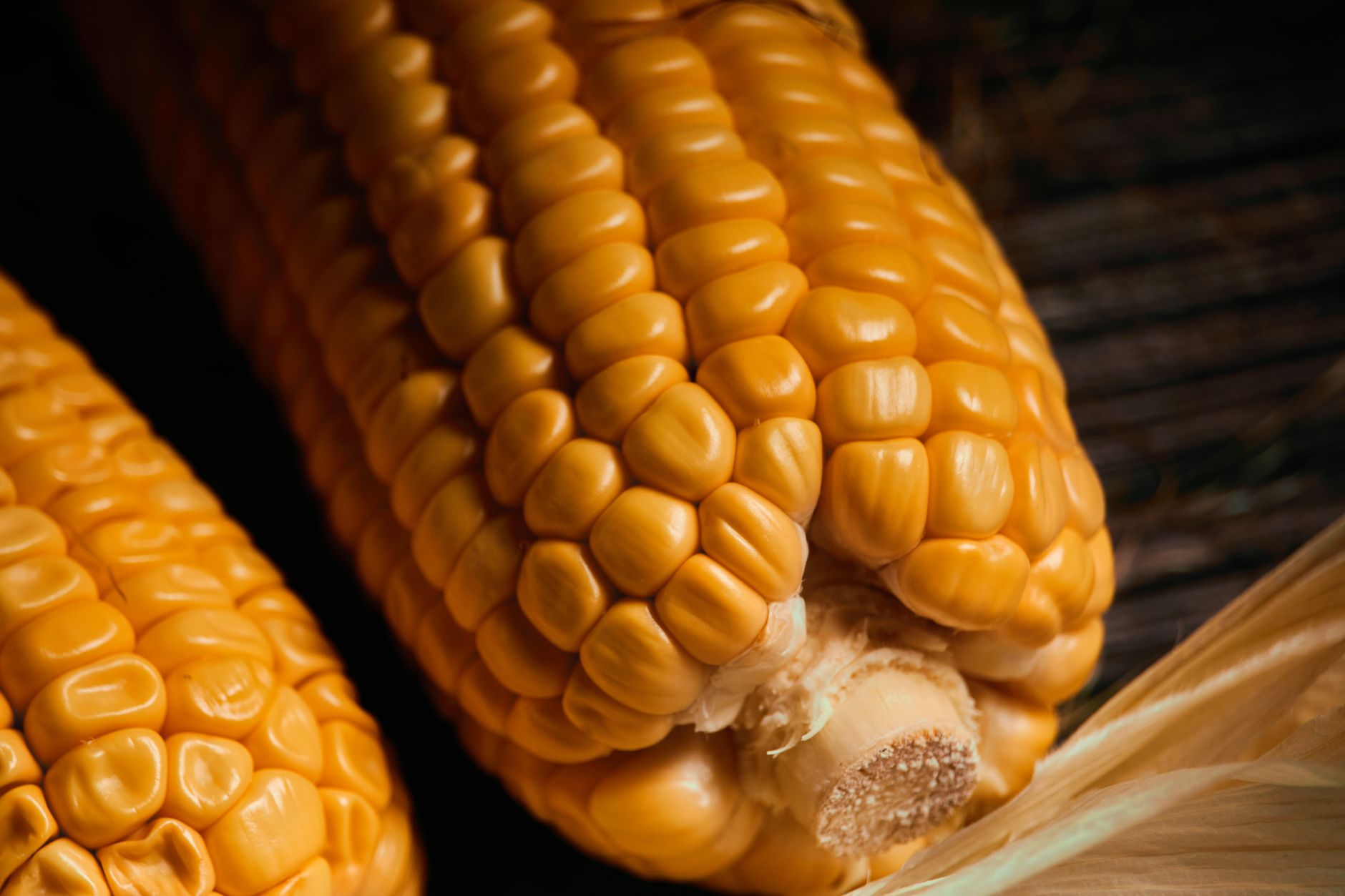
Corn syrup substitutes
Corn syrup is an invert sugar that resists crystallization, keeps baked goods moist, and adds body to candy and confections without contributing much flavor. Its primary role is interfering with sugar crystal formation — a function that table sugar alone cannot replicate. Substituting requires matching that anti-crystallization behavior as closely as possible; the wrong swap will produce grainy caramel or crumbly candy.
Some links below are paid affiliate links. As an Amazon Associate, AltPantry earns from qualifying purchases at no extra cost to you.
| Rank | Substitute | Substitution ratio | What to expect |
|---|---|---|---|
| #1 | Golden syrup | 1:1 by volume (e.g., 1 cup golden syrup for 1 cup corn syrup) | The closest functional match — golden syrup is also an invert sugar with comparable viscosity and anti-crystallization behavior; it adds a faint buttery, caramel note that corn syrup lacks, which is undetectable in most recipes but noticeable in very mild or lightly flavored confections. |
| #2 | Honey | 1:1 by volume (e.g., 1 cup honey for 1 cup corn syrup) | Honey is an invert sugar and resists crystallization effectively, but its strong floral flavor changes the taste of the finished dish noticeably — appropriate in some baked goods but disruptive in candy where neutral sweetness is expected; also slightly thinner than corn syrup, which can affect candy-stage temperatures marginally. |
| #3 | Brown rice syrup | 1:1 by volume (e.g., 1 cup brown rice syrup for 1 cup corn syrup) | Works in a pinch but noticeably worse — brown rice syrup is thicker and less sweet than corn syrup, with a mild malty flavor; it does inhibit crystallization but can make confections slightly stickier and denser; best in granola bars and chewy baked goods, not recommended for precision candy work. |
| #4 | Agave nectar | 3/4 cup agave nectar for 1 cup corn syrup | Agave is an invert sugar and functions similarly in inhibiting crystallization, but it is significantly sweeter than corn syrup so the ratio must be reduced; the flavor is mild enough to blend into most recipes, but the thinner consistency can affect texture in candy and pecan pie filling — use with caution in precision applications. |
| #5 | Granulated sugar dissolved in water (simple syrup) | 1 1/4 cups granulated sugar dissolved in 1/4 cup water, cooked to a clear syrup, for 1 cup corn syrup | Works in a pinch but provides no anti-crystallization protection on its own — without corn syrup's invert sugars, candy and frosting are at elevated risk of graining; acceptable in recipes where corn syrup is a minor ingredient adding moisture or binding (e.g., granola bars, some cookies), but will likely fail in pecan pie filling or candy that must remain smooth and glossy. |
When to be careful
Hard candy, pulled sugar, and toffee depend on corn syrup's anti-crystallization chemistry to stay smooth and glossy — no substitute replicates this precisely enough for professional-level candy work, and most alternatives will produce grainy or cracked results. Pecan pie and similar custard-set pies can tolerate golden syrup or honey, but the flavor and set texture may shift enough to be noticeable.
Why these substitutes work
Corn syrup contains glucose chains that physically interrupt sucrose crystal lattice formation — a process called "doctoring" in candy making. These glucose molecules crowd out sucrose molecules at crystal nucleation sites, keeping the mixture amorphous and smooth. Golden syrup and honey achieve a similar effect because they are also invert sugars (mixtures of glucose and fructose), while plain sucrose solutions lack this interference mechanism entirely, which is why simple syrup substitutions tend to crystallize or grain on cooling.
For most everyday recipes — pecan pie, caramel sauce, homemade marshmallows, chewy cookies — golden syrup is the substitute to reach for first. It behaves nearly identically to light corn syrup in the pan and produces results that are difficult to distinguish from the original. Honey is a reliable second choice when golden syrup isn’t available, provided the recipe can accommodate its flavor.
The substitute table above is ranked by functional reliability, not by ease of sourcing. If you are making precision candy (hard candy, lollipops, pulled sugar), no pantry substitute is a confident replacement — the margin for error is too small. In those cases, it is worth tracking down corn syrup directly rather than risking a failed batch.
Frequently asked questions
- Can I use maple syrup instead of corn syrup?
- Maple syrup is not an invert sugar and does not reliably prevent crystallization the way corn syrup does. It can work as a 1:1 swap in recipes where corn syrup's primary role is moisture or binding (some cookies, glazes), but it will add a strong maple flavor and is likely to grain in candy or frosting applications. It is not recommended for pecan pie or candy.
- Does dark corn syrup substitute the same way as light corn syrup?
- Dark corn syrup contains molasses and has a stronger, more bitter-sweet flavor, but its functional chemistry — viscosity and anti-crystallization — is essentially the same as light corn syrup. Use them interchangeably in most recipes, but expect a noticeable color and flavor difference in anything pale or lightly flavored.
- Is corn syrup the same as high-fructose corn syrup (HFCS)?
- No. Regular corn syrup sold in grocery stores (such as Karo) is primarily glucose and is not the same as high-fructose corn syrup, which is an industrially processed product not sold at retail for home cooking. Recipes calling for corn syrup mean regular light or dark corn syrup, not HFCS.