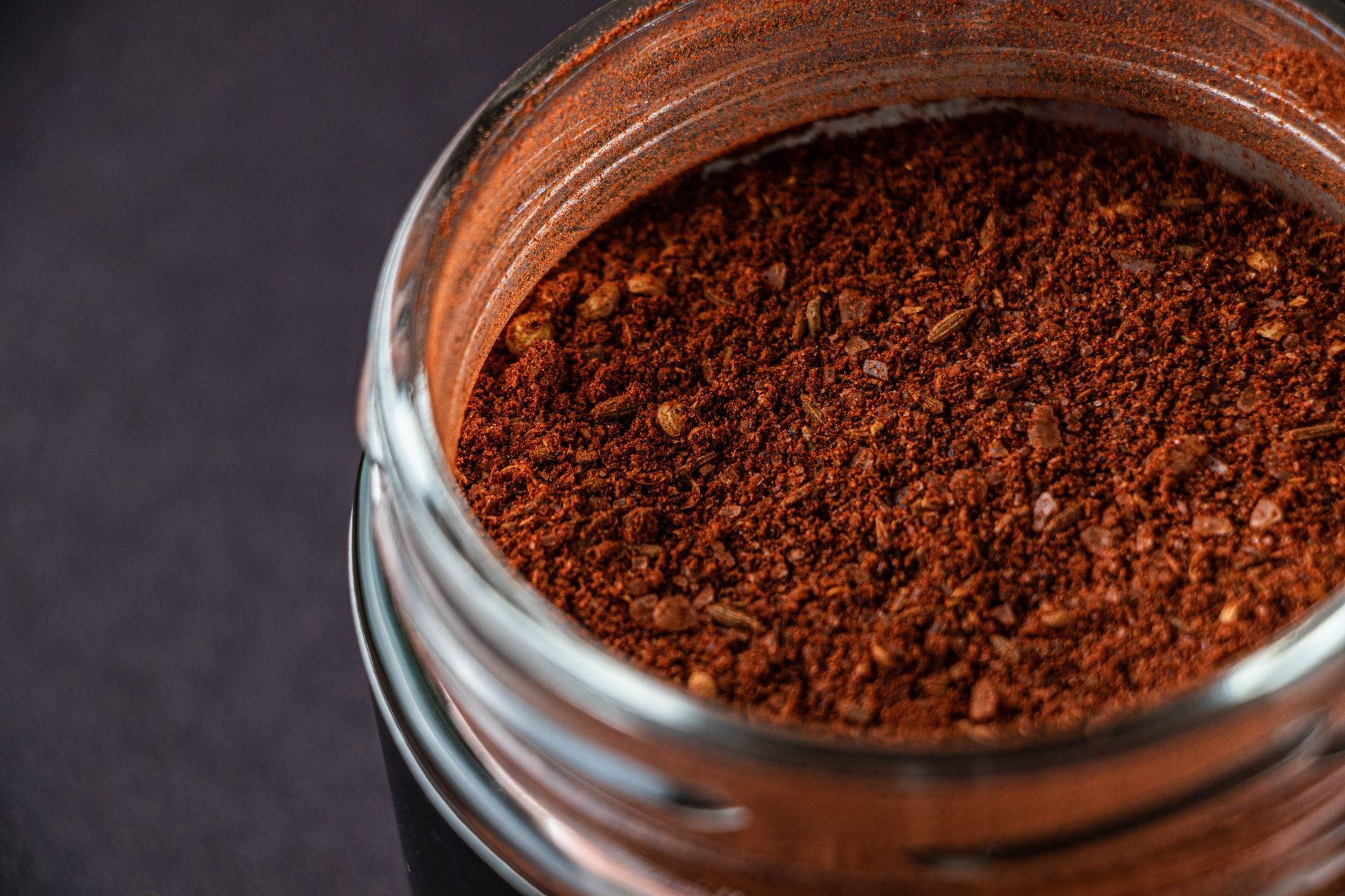
Chili powder substitutes
Chili powder is a pre-blended spice mix, typically combining dried ground chiles (usually ancho or New Mexico), cumin, garlic powder, oregano, and sometimes paprika or cayenne. It adds earthy heat, color, and savory depth to dishes like chili, tacos, and spice rubs. Substituting requires care because you're replacing a blend, not a single spice — matching both the heat level and the underlying flavor complexity matters.
Some links below are paid affiliate links. As an Amazon Associate, AltPantry earns from qualifying purchases at no extra cost to you.
| Rank | Substitute | Substitution ratio | What to expect |
|---|---|---|---|
| #1 | Ancho chile powder plus cumin plus garlic powder plus dried oregano | For 1 tbsp chili powder: use 1½ tsp ancho chile powder + 1 tsp cumin + ¼ tsp garlic powder + ¼ tsp dried oregano | This replicates the actual composition of most commercial chili powder and produces the closest result in flavor, color, and heat — use this whenever you can source ancho powder. |
| #2 | Paprika plus cumin plus cayenne pepper plus garlic powder | For 1 tbsp chili powder: use 1½ tsp paprika + 1 tsp cumin + ¼ tsp cayenne + ¼ tsp garlic powder | Paprika replaces the dried chile base and delivers similar color; the result is slightly less earthy and more one-dimensional than the ancho version, but widely regarded as a reliable all-pantry substitute. |
| #3 | Chipotle chile powder | For 1 tbsp chili powder: use ½–¾ tsp chipotle chile powder (adjust to heat tolerance) | Chipotle powder is significantly hotter and smokier than standard chili powder; it works well in chili or braised meats where smoke is welcome, but will overwhelm delicate dishes — use less than a 1:1 swap. |
| #4 | New Mexico chile powder plus cumin | For 1 tbsp chili powder: use 1½ tsp New Mexico chile powder + 1 tsp cumin | New Mexico chile powder is milder and brighter than ancho, giving a cleaner red color and slightly fruity flavor; a good swap if you want the authentic dried-chile base without the darker, earthier ancho character. |
| #5 | Cajun seasoning | For 1 tbsp chili powder: use 1 tbsp Cajun seasoning, then reduce or omit any added salt in the recipe | Works in a pinch for dishes where the goal is savory heat and color, but Cajun blends typically include thyme, onion powder, and more aggressive black pepper — the flavor profile shifts noticeably, and excess salt is a real risk. |
| #6 | Gochugaru (Korean red pepper flakes) | For 1 tbsp chili powder: use 1 tsp gochugaru | Works in a pinch as a heat source but has a distinctly different flavor — fruity and slightly sweet with no cumin or garlic undertones — so the dish will taste Korean-influenced rather than Tex-Mex or Southwest; use only when no other option is available. |
When to be careful
Avoid substituting in recipes where chili powder is the dominant seasoning and the Tex-Mex or Southwest flavor is the point — such as a straightforward beef chili or taco seasoning — unless you're using the ancho-based DIY blend at rank 1. Single-spice swaps produce a noticeably different dish.
Why these substitutes work
Most of chili powder's flavor comes from fat-soluble capsaicinoids and carotenoids in the dried chile base, which give heat and red-orange pigmentation respectively. Cumin contributes volatile sulfur compounds that create its characteristic earthy warmth, while garlic powder adds savory depth through glutamates and organosulfur compounds. Substitutes that replicate the chile base (ancho, New Mexico, paprika) plus cumin get closest to the original because they reproduce these same compound classes in similar proportions.
American chili powder is a blended convenience spice, which means any single-ingredient substitute is going to leave a gap somewhere — usually in the earthy cumin-forward base that gives the blend its character. The most reliable path is the DIY blend at rank 1 (ancho chile powder, cumin, garlic powder, oregano), which mirrors what most commercial chili powders actually contain. If your pantry doesn’t have ancho, the paprika-plus-cumin version at rank 2 is the next most dependable option and uses spices most cooks already have on hand.
The lower-ranked options on this page — Cajun seasoning and gochugaru — will technically add heat and color but will shift the flavor of your dish in a different direction. Use them only when the recipe can absorb that shift, such as a heavily sauced braise where other flavors are dominant. For anything where chili powder is the main seasoning, those swaps are not recommended.
Frequently asked questions
- Can I substitute pure cayenne pepper 1:1 for chili powder?
- No. Cayenne is pure heat — roughly 8–10 times hotter than typical chili powder by weight — and contains none of the earthy, savory complexity from cumin, garlic, or mild dried chiles. Using it 1:1 will make the dish excessively spicy and one-dimensional. If cayenne is all you have, use ¼ tsp per 1 tbsp of chili powder called for, and add cumin and garlic powder to compensate.
- Is chili powder the same as chile powder?
- No, and the distinction matters here. "Chili powder" (with an i) is a seasoning blend containing multiple spices. "Chile powder" (with an e) refers to ground single-variety dried chiles — such as ancho chile powder or chipotle chile powder — with no added spices. The rank 1 substitute on this page uses chile powders as a component of a DIY blend.
- How do these substitutes affect color in the final dish?
- Ancho chile powder and paprika both produce a similar red-orange color to commercial chili powder. Chipotle powder gives a darker, slightly brown-red hue. Gochugaru produces a vivid red but with a different visual texture since it's coarser. New Mexico chile powder yields a brighter red than ancho.