Brown sugar substitutes
Brown sugar is white sugar with molasses reintroduced — light brown sugar contains about 3.5% molasses and dark brown sugar about 6.5%. That molasses adds moisture, slight acidity, and a caramel-bitter depth that affects both flavor and texture. Because the molasses also contributes hygroscopic properties (moisture retention), substituting carelessly can change the spread, chew, and crumb of baked goods.
Some links below are paid affiliate links. As an Amazon Associate, AltPantry earns from qualifying purchases at no extra cost to you.
| Rank | Substitute | Substitution ratio | What to expect |
|---|---|---|---|
| #1 | White granulated sugar plus molasses | 1 cup white granulated sugar + 1 tbsp unsulfured molasses = 1 cup light brown sugar; use 2 tbsp molasses for dark brown sugar | This is literally how commercial brown sugar is made — flavor, moisture, and acidity are functionally identical to store-bought. |
| #2 | White granulated sugar | 1 cup white granulated sugar = 1 cup brown sugar | Works in a pinch for most baked goods but produces a noticeably crispier, drier result with less depth of flavor — cookies spread more and lose chew. |
| #3 | Coconut sugar | 1 cup coconut sugar = 1 cup brown sugar | Similar caramel notes and slightly lower GI; slightly drier and coarser than brown sugar, so baked goods can come out a touch drier — works well in cookies and quick breads. |
| #4 | Muscovado sugar | 1 cup muscovado sugar = 1 cup brown sugar (light or dark) | Unrefined cane sugar with natural molasses intact; flavor is more intense and slightly bitter than commercial brown sugar — excellent in gingerbread, barbecue sauce, and dark cakes, but can overpower delicate recipes. |
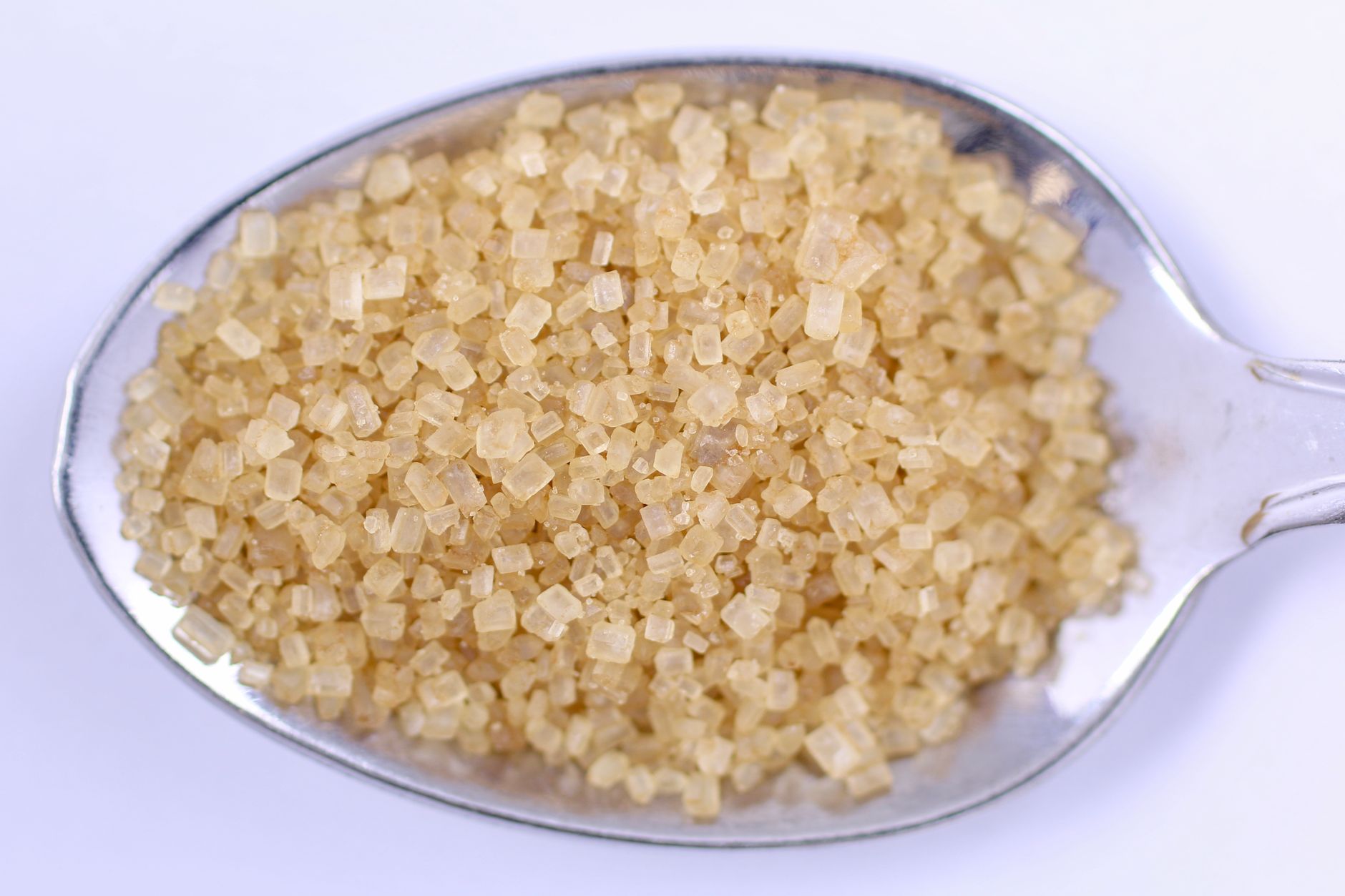
| #5 | Turbinado sugar or raw cane sugar | 1 cup turbinado sugar = 1 cup brown sugar | Very coarse crystals and minimal molasses content (~1%) — dissolves poorly in batters, so texture suffers in most baked goods; works better in sauces and brines where full dissolution happens over heat. |
| #6 | Maple syrup | 3/4 cup maple syrup = 1 cup brown sugar; reduce other liquids in recipe by 3 tbsp per 3/4 cup maple syrup used | Adds complementary caramel flavor but introduces significant extra liquid — requires recipe adjustment and will change spread and texture noticeably; better suited to sauces, glazes, and oatmeal than structured baked goods. |
Substituting for a specific recipe?
The best substitute depends on what you're making. Pick your use case:
When to be careful
In recipes where brown sugar's hygroscopic quality is structurally essential — such as chewy chocolate chip cookies, dense fudge brownies, or molasses-based candies — white granulated sugar alone will produce a meaningfully inferior result and is not recommended. Candy and confection recipes that rely on precise moisture control (toffee, caramel, brittles) are especially sensitive to molasses content.
Why these substitutes work
The molasses in brown sugar contains invert sugars (fructose and glucose) that are more hygroscopic than sucrose, meaning they attract and hold atmospheric moisture — this is what keeps cookies chewy rather than crisp after baking. Molasses is also mildly acidic (pH around 5.5), which can interact with baking soda to produce additional leavening lift and a slightly more tender crumb. Substitutes that replicate both the molasses content and the moisture contribution — primarily white sugar plus added molasses — produce the closest results because they preserve all three functional properties: flavor, acidity, and moisture retention.
The white granulated sugar + molasses combination (rank 1) is the only substitute that genuinely replicates brown sugar in every functional respect — flavor, moisture, and acidity — because it is chemically the same thing. If you keep unsulfured molasses in your pantry, you never truly need to buy brown sugar separately.
All other substitutes involve a trade-off. Coconut sugar and muscovado are reliable for most recipes but differ in coarseness and molasses intensity. Plain white sugar works structurally but produces a drier, less complex result. Maple syrup and turbinado are niche replacements suited to specific applications — sauces and brines over baked goods — and should be a last resort when the better options aren’t available.
Frequently asked questions
- Can I substitute dark brown sugar for light brown sugar and vice versa?
- Yes, in a 1:1 ratio. Dark brown sugar has roughly double the molasses content, so it will produce a stronger, slightly more bitter flavor and a marginally moister texture. In most cookies, cakes, and sauces the difference is minor. In recipes where the flavor is prominent — like gingerbread or barbecue sauce — the swap is more noticeable.
- My brown sugar has hardened into a brick. Is it still usable?
- Yes. The sugar hasn't spoiled — the molasses has lost moisture and caused the crystals to cement together. Break it up and microwave with a damp paper towel over the bowl for 20–30 seconds, or place a slice of fresh bread in the sealed bag overnight to re-soften it. It will perform normally once loosened.
- Does honey work as a brown sugar substitute in baking?
- Honey can substitute for brown sugar but requires significant recipe adjustment — use 3/4 cup honey per 1 cup brown sugar and reduce other liquids by about 1/4 cup. Honey is sweeter, adds distinct floral flavor, and its extra moisture will change spread and texture. It works better in quick breads and muffins than in cookies or layer cakes.