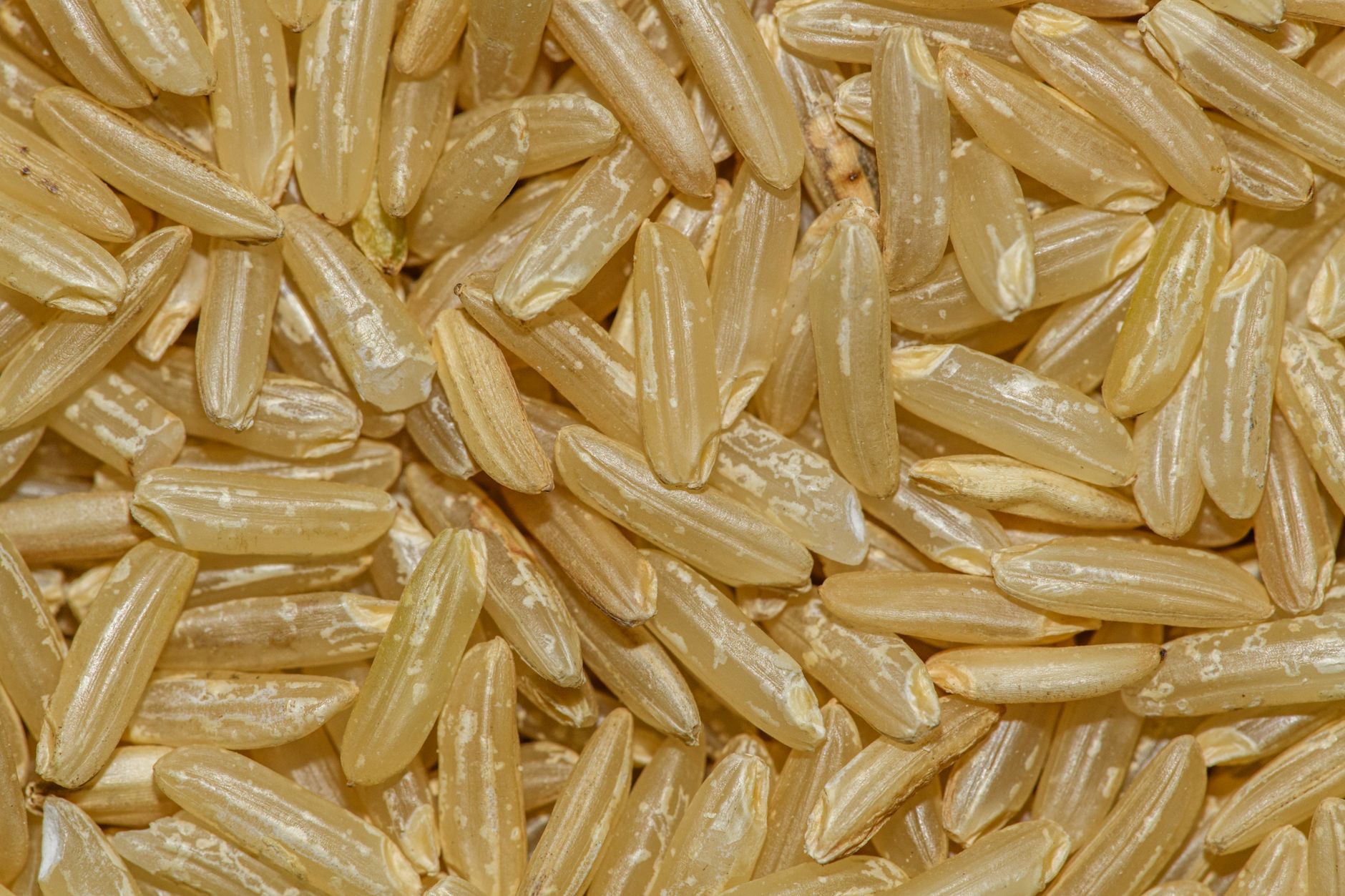
Brown rice substitutes
Brown rice is a whole grain that provides chewy texture, mild nutty flavor, and substantial body in dishes ranging from grain bowls to stuffed peppers to stir-fries. Its high fiber content and longer cook time (around 45 minutes) distinguish it from white rice, and both factors affect how substitutes perform. Swapping it requires matching not just starch behavior but also texture and moisture absorption, which vary considerably across alternatives.
Some links below are paid affiliate links. As an Amazon Associate, AltPantry earns from qualifying purchases at no extra cost to you.
| Rank | Substitute | Substitution ratio | What to expect |
|---|---|---|---|
| #1 | Long-grain white rice | 1 cup white rice for 1 cup brown rice; reduce liquid by 1/4 cup and cook time to 18–20 minutes | Produces softer, less chewy results with a milder flavor — works in virtually any savory application but loses the fiber and nuttiness of brown rice; the most reliable swap when texture is secondary to convenience. |
| #2 | Farro | 1 cup farro for 1 cup brown rice; use 2.5 cups water and simmer 25–35 minutes (pearled) or 40–45 minutes (semi-pearled) | Matches or exceeds brown rice's chewiness and nutty flavor, making it the strongest structural substitute in grain bowls, soups, and pilafs; pearled farro cooks fastest and is most widely available. |
| #3 | Quinoa | 1 cup quinoa for 1 cup brown rice; use 1.75 cups water and cook 15 minutes, then rest 5 minutes off heat | Lighter and slightly crunchy when cooked correctly — works well in grain bowls and as a side dish but has a distinctly different mouthfeel and a mild bitter edge if not rinsed thoroughly before cooking. |
| #4 | Barley (pearl barley) | 1 cup pearl barley for 1 cup brown rice; use 3 cups water or broth and simmer 25–30 minutes | Soft and slightly sticky when done, with a mild flavor; works well in soups and grain salads but turns gummy if overcooked — less well suited to stir-fries or fried rice applications. |
| #5 | Bulgur wheat | 1 cup fine or medium bulgur for 1 cup brown rice; pour 1.5 cups boiling water over, cover, and rest 20–30 minutes — no stovetop cooking required | Much faster to prepare than brown rice and produces a softer, fluffier grain — appropriate for grain bowls, salads, and stuffed vegetables but not for stir-fries where individual grain separation matters; contains gluten. |
| #6 | Wild rice | 1 cup wild rice for 1 cup brown rice; use 3 cups water and simmer 45–55 minutes until grains begin to split | Stronger, earthier flavor and firmer texture than brown rice — works in a pinch but noticeably changes the character of the dish; best used blended with another grain rather than as a straight 1:1 replacement. |
When to be careful
No substitute performs well in recipes where brown rice is the dominant structural element and texture is expected to be consistent — sushi-style rolls, onigiri, congee, and rice pudding all depend on rice's specific starch behavior and should not use grain swaps. If the dish requires the rice to hold a formed shape or become creamy through starch release, substitution is likely to fail.
Why these substitutes work
Brown rice is whole-grain rice with only the outer husk removed, leaving the bran and germ layers intact. These layers contain fiber, oils, and proteins that slow water absorption, requiring more liquid and longer cooking times than milled white rice. The starch in brown rice is primarily amylose and amylopectin in roughly the same ratio as white rice, but the bran layer physically restricts starch gelatinization, which is why brown rice stays chewier and more separate-grained. Substitutes like farro and barley bring their own bran layers and similar starch-to-fiber ratios, which is why they mimic the chew and cooking behavior most closely.
For most everyday applications — grain bowls, stuffed peppers, rice sides, and soups — long-grain white rice or farro cover the widest range of use cases. White rice is the safest swap when you need something on the table quickly and the recipe doesn’t depend on chew or fiber content; farro is the better choice when texture and nuttiness matter and you have 35 minutes.
Quinoa and bulgur are worth keeping in mind specifically when speed is a factor. Quinoa cooks in under 20 minutes and carries a complete amino acid profile; bulgur requires no actual cooking beyond steeping in boiling water. Both are noticeably lighter than brown rice, so they suit grain salads and bowls better than dense, saucy dishes where brown rice’s heft is part of the point.
Frequently asked questions
- Can I substitute white rice for brown rice in a recipe that specifies brown rice for health reasons?
- White rice has significantly less fiber, fewer micronutrients, and a higher glycemic index than brown rice. It will work culinarily in most savory recipes, but it does not replicate the nutritional profile. If that matters, farro or quinoa are better choices.
- Does cauliflower rice work as a brown rice substitute?
- Only in a narrow set of applications. Cauliflower rice is lower in carbohydrates but has much higher moisture content and no comparable starch structure — it works in grain bowls or stir-fries where the rice is a filler, but it turns watery if overcooked and cannot hold a formed shape or absorb cooking liquid the way brown rice does.
- Can I use brown rice and white rice interchangeably in a pilaf recipe?
- Yes, with timing and liquid adjustments. White rice needs about 18–20 minutes and roughly 1/4 cup less liquid per cup of rice compared to brown. The pilaf will be softer and less chewy. Toasting the white rice in oil before adding liquid will recover some of the nutty flavor lost from skipping brown rice's bran layer.