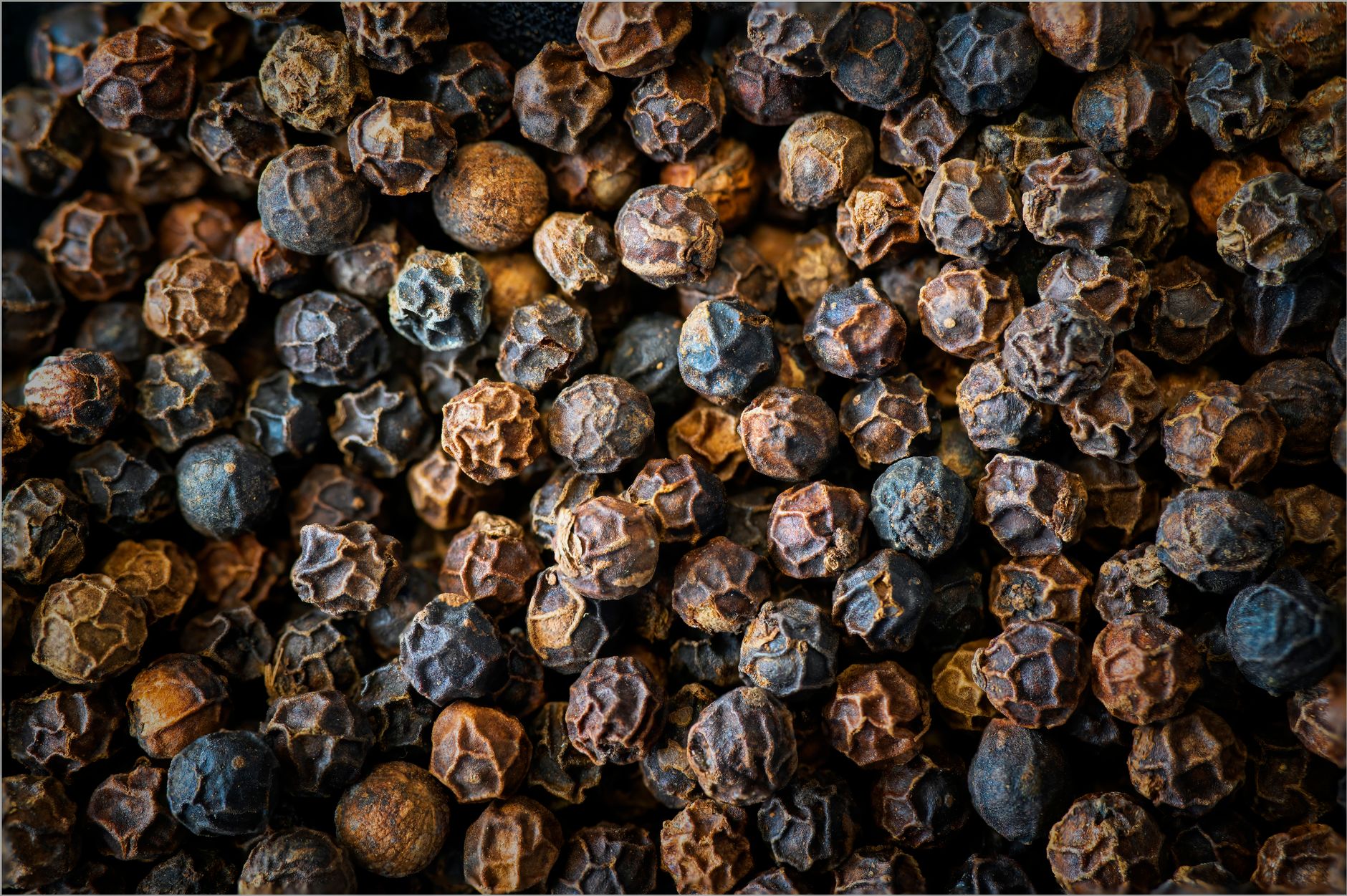
Black pepper substitutes
Black pepper contributes sharp, pungent heat and a complex, slightly floral bite from piperine, its primary active compound. It functions as both a background seasoning that amplifies other flavors and a featured spice in dishes like cacio e pepe or pepper-crusted proteins. Substituting well depends on whether you need to match the heat level, the flavor profile, or the visual appearance of ground black pepper in the finished dish.
Some links below are paid affiliate links. As an Amazon Associate, AltPantry earns from qualifying purchases at no extra cost to you.
| Rank | Substitute | Substitution ratio | What to expect |
|---|---|---|---|
| #1 | White pepper | Use the same amount as black pepper, 1:1 | White pepper is made from the same berry with the outer hull removed, so it delivers similar piperine heat with a slightly more musty, fermented flavor and no visible dark specks — the standard substitute in French and Chinese cooking where appearance matters. |
| #2 | Szechuan peppercorns | Use 3/4 tsp ground Szechuan peppercorns for every 1 tsp black pepper | Produces a citrusy, floral heat with a distinctive numbing (málà) tingle rather than straight piperine bite — a flavor-forward swap that works in savory dishes but shifts the profile noticeably; use less than you think. |
| #3 | Cayenne pepper | Use 1/4 tsp cayenne for every 1 tsp black pepper | Delivers pure capsaicin heat with none of black pepper's aromatic complexity; the heat is sharper and more forward, so start at 1/4 tsp and taste before adding more — this is a heat substitute, not a flavor substitute. |
| #4 | Red pepper flakes | Use 1/4 tsp red pepper flakes for every 1 tsp ground black pepper | Works in cooked sauces and braises where the flakes will soften and distribute, but the texture is wrong for rubs or finishing — heat is capsaicin-based, so flavor character differs from piperine. |
| #5 | Ground grains of paradise | Use 1:1, same amount as black pepper | A West African relative of ginger and cardamom that tastes like a cross between black pepper and cardamom — genuinely close in heat level and complexity, but harder to source and less tested in mainstream Western recipes; reserve for adventurous cooks. |
| #6 | Ground ginger | Use 1/2 tsp ground ginger for every 1 tsp black pepper | Works in a pinch for baked goods and marinades where some spiced warmth is needed, but the flavor is distinctly different — gingery and sweet-hot rather than sharp and savory; noticeably worse as a direct sub in savory dishes. |
Substituting for a specific recipe?
The best substitute depends on what you're making. Pick your use case:
When to be careful
In recipes where black pepper is the defining flavor — cacio e pepe, steak au poivre, pepper-crusted tuna — no substitute will produce an equivalent result, since piperine's specific heat and aroma cannot be replicated by capsaicin-based spices. Similarly, if the dish calls for freshly cracked whole black pepper for texture (atop a salad or fried egg), pre-ground substitutes of any kind will not perform the same role.
Why these substitutes work
Black pepper's heat and flavor come primarily from piperine, an alkaloid that activates the same TRPV1 heat receptors as capsaicin but with a slower onset and shorter duration. Piperine also acts as a bioavailability enhancer for other compounds (notably curcumin in turmeric), which is why black pepper appears alongside turmeric in many recipes. White pepper contains the same piperine but loses some volatile aromatic terpenes during hull removal, which accounts for its flatter flavor; cayenne and red pepper flakes rely on capsaicin instead, producing a chemically different heat sensation.
White pepper is the most reliable everyday swap for black pepper — same heat source, nearly identical ratio, and it won’t alter the appearance of light-colored sauces or mashed potatoes. For anything where heat alone is the goal (a spicy marinade, a chili rub), cayenne at 1/4 the volume is a widely accepted shortcut, with the understanding that the flavor character will be sharper and less nuanced.
The further you move down this list, the more the flavor diverges from black pepper’s signature piperine bite. Szechuan peppercorns and grains of paradise are genuinely interesting substitutes in the right context, but they introduce distinct flavors of their own and require a cook who knows what to expect. Ground ginger should be treated as a last resort in savory cooking — it belongs on this list because it’s something most cooks have on hand, not because the result will be close.
Frequently asked questions
- Can I use white pepper instead of black pepper in every recipe?
- In most savory recipes, yes — the heat level is comparable and the flavor difference is subtle. The main reasons to prefer white pepper are visual (no dark flecks in cream sauces or mashed potatoes) and when cooking Chinese dishes where white pepper is traditional. In very peppery dishes like cacio e pepe, the slightly musty flavor of white pepper will be more noticeable.
- How much cayenne equals black pepper in a recipe?
- Start with 1/4 tsp cayenne for every 1 tsp black pepper called for. Cayenne is significantly hotter gram for gram and has no aromatic complexity to match piperine, so it closes the heat gap but not the flavor gap. Taste as you go and don't add the full substitution at once.
- Does freshly ground black pepper matter, or can I use pre-ground?
- It matters most in dishes where pepper is a star ingredient (cacio e pepe, steak au poivre) and least in long-cooked dishes like braises or soups. Pre-ground black pepper loses volatile aromatic compounds within weeks of grinding; freshly ground pepper from whole peppercorns will taste noticeably brighter and more complex in pepper-forward preparations.