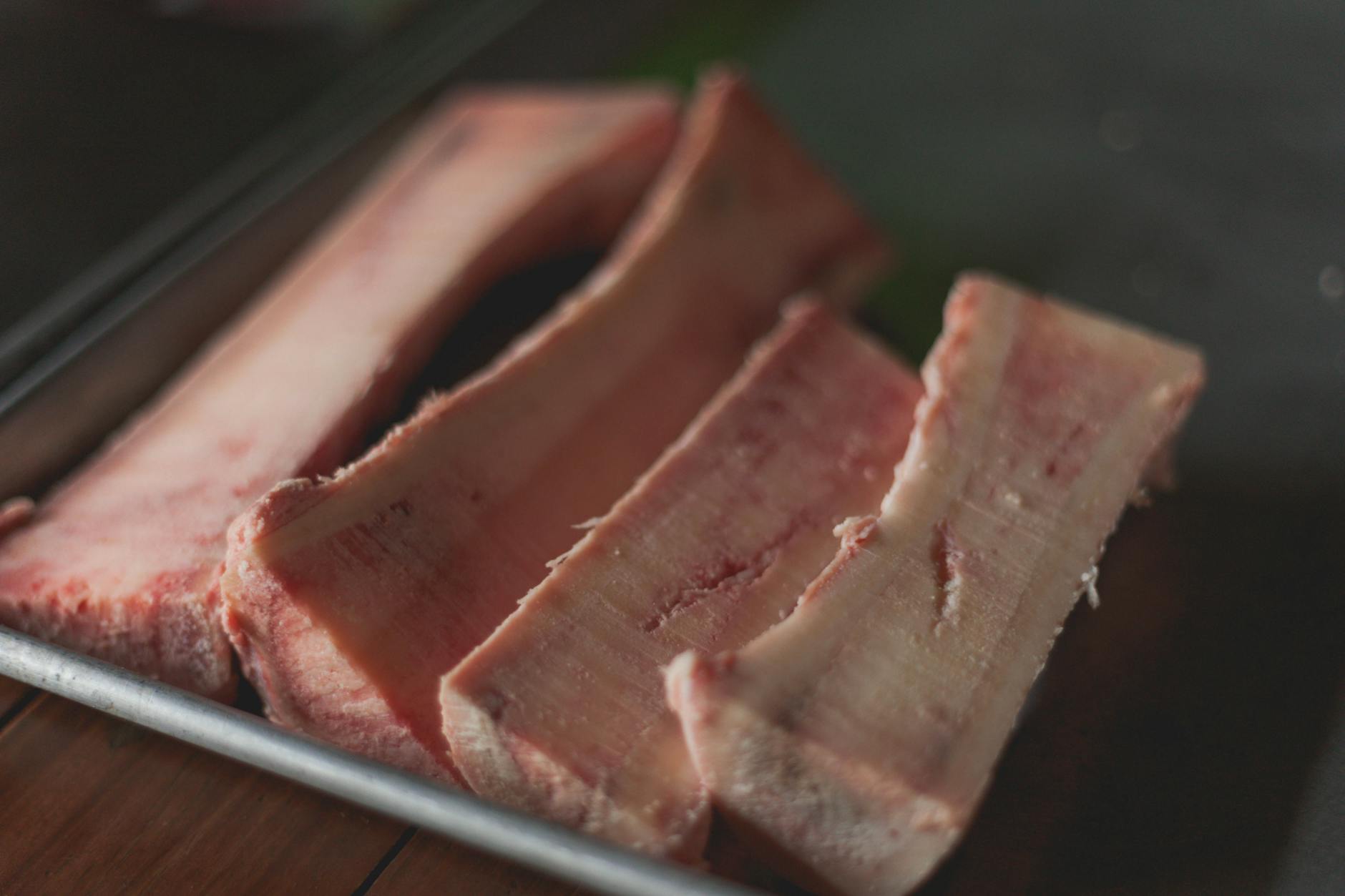
Beef broth substitutes
Beef broth contributes savory depth, umami, body, and a mild meaty flavor to soups, braises, gravies, and pan sauces. It also provides liquid volume and, in long-cooked dishes, gelatin that gives sauces a silky, slightly thickened finish. Substituting requires matching both the flavor profile and the liquid volume — a sub that gets one right but not the other will produce a noticeably flat or diluted result.
Some links below are paid affiliate links. As an Amazon Associate, AltPantry earns from qualifying purchases at no extra cost to you.
| Rank | Substitute | Substitution ratio | What to expect |
|---|---|---|---|
| #1 | Chicken broth or chicken stock | 1 cup chicken broth for every 1 cup beef broth | The closest widely available swap — same salt level, similar savory character, and nearly identical gelatin content when using stock; flavor will be lighter and less meaty but rarely off-putting in most recipes. |
| #2 | Beef bouillon cube or beef bouillon powder dissolved in water | 1 bouillon cube or 1 tsp bouillon powder dissolved in 1 cup hot water per 1 cup beef broth | Replicates beef flavor well and is shelf-stable, but most commercial bouillon is very high in sodium — use low-sodium broth in the rest of the recipe or reduce added salt; texture is thinner than homemade stock. |
| #3 | Vegetable broth | 1 cup vegetable broth for every 1 cup beef broth | Works in a pinch for soups and braises but lacks the meaty depth and gelatin of beef broth — the result is noticeably lighter; adding 1 tsp soy sauce or ½ tsp Worcestershire sauce per cup partially closes the gap. |
| #4 | Mushroom broth | 1 cup mushroom broth for every 1 cup beef broth | Provides stronger umami than vegetable broth and is the best plant-based option for beef-forward dishes like pot roast or French onion soup; flavor is earthier than beef, which can be noticeable in delicate sauces. |
| #5 | Dry red wine diluted with water | ½ cup dry red wine + ½ cup water per 1 cup beef broth | Works well in braises and pan sauces where wine is already part of the dish, but adds acidity and tannins that don't belong in neutral soups or gravies — do not use as a straight swap in those applications. |
| #6 | Water with Worcestershire sauce | 1 cup water + 1 tbsp Worcestershire sauce per 1 cup beef broth | A true last-resort substitute that provides umami and some savory flavor but no real depth, body, or gelatin — results are noticeably thinner and less complex; only acceptable for dishes where broth is a minor background liquid. |
When to be careful
In recipes where beef broth is the dominant flavor — French onion soup, beef consommé, or a simple pan gravy made with no other strong aromatics — no substitute will fully replicate the result, and the difference will be apparent. Dishes that rely on reduced beef stock for a glossy, gelatinous sauce (e.g., a classic French demi-glace reduction) cannot be meaningfully substituted.
Why these substitutes work
Beef broth's flavor comes from glutamates and inosinate — naturally occurring umami compounds extracted from meat and bones during simmering. Its body comes from dissolved collagen, which converts to gelatin and gives sauces a coating, slightly viscous texture that water-based substitutes lack. Chicken stock shares a similar gelatin structure, which is why it performs closest to beef broth in texture; bouillon concentrates the glutamates but skips the gelatin, explaining its flavor accuracy paired with thinner mouthfeel.
For most everyday recipes — soups, braises, and gravies — chicken broth is the reliable first choice because it matches beef broth’s salinity and texture closely enough that most tasters won’t notice the difference. If you need a stronger beef flavor without having beef broth on hand, a quality low-sodium beef bouillon dissolved in water is the better call.
The substitutes in the table above are ranked for general reliability. For plant-based cooking, mushroom broth outperforms vegetable broth in any dish where umami is important. The wine-and-water combination is specifically for braises and pan sauces, not soups or gravies — context matters more with beef broth substitution than with most other liquid swaps.
Frequently asked questions
- Can I use water instead of beef broth?
- Plain water works only as a last resort in dishes with many other strong flavors (e.g., a heavily spiced stew). In any recipe where broth is a primary ingredient, the result will taste flat and thin. Adding 1 tbsp soy sauce and 1 tsp tomato paste per cup of water will get closer but won't fully replicate broth.
- Is beef stock the same as beef broth, and can I substitute one for the other directly?
- They are not identical — stock is made from bones and has more gelatin and less salt than broth, which is made from meat. You can substitute them 1:1 by volume in most recipes; stock will produce a slightly richer, silkier texture and may need less added salt.
- Does beef broth substitution work in slow cooker recipes?
- Yes. The long cook time in a slow cooker gives aromatics time to develop, so a lighter substitute like chicken broth or vegetable broth with added Worcestershire sauce is less noticeable in the final dish than it would be in a quick pan sauce.