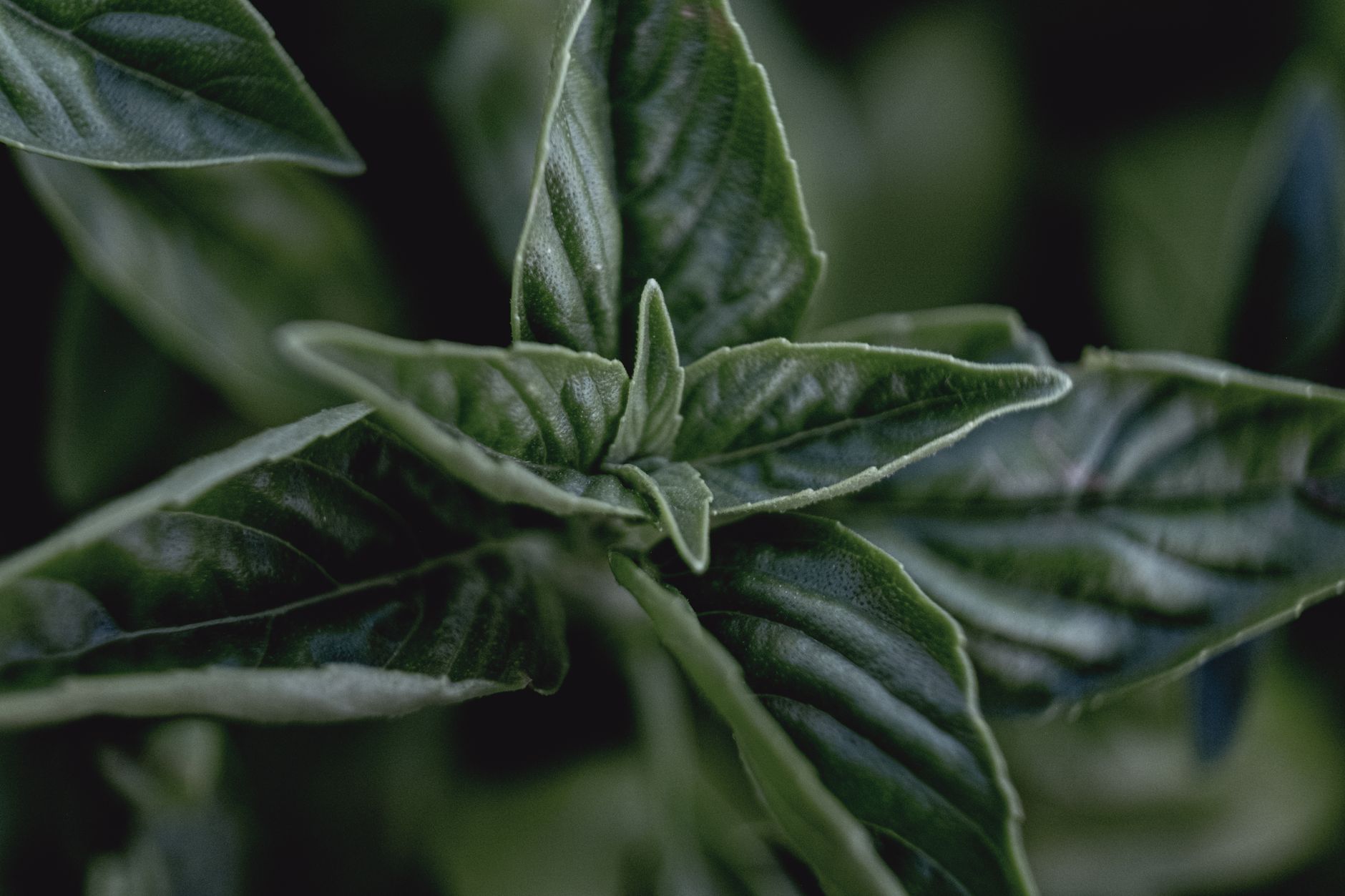
Basil substitutes
Fresh basil contributes a sweet, faintly peppery, anise-adjacent flavor with volatile aromatic compounds that fade rapidly under heat. Dried basil retains some of that profile but loses the bright top notes, making it a functional but noticeably different product. Substituting well depends heavily on whether the basil is used raw (salads, caprese, garnish) or cooked into a sauce — most substitutes only cover one of those two roles.
Some links below are paid affiliate links. As an Amazon Associate, AltPantry earns from qualifying purchases at no extra cost to you.
| Rank | Substitute | Substitution ratio | What to expect |
|---|---|---|---|
| #1 | Fresh Thai basil | 1:1 by volume (e.g., 1 tbsp fresh Thai basil for 1 tbsp fresh basil) | Thai basil is more assertive and carries a stronger anise note than Italian sweet basil; it holds up better under heat and works well in cooked applications, though it's noticeably more pungent raw. |
| #2 | Dried basil | 1 tsp dried basil for every 1 tbsp (3 tsp) fresh basil | Works in cooked dishes like tomato sauce, soups, and braises where moisture rehydrates the herb; completely inadequate for raw applications like caprese or fresh herb garnishes where texture and bright aroma matter. |
| #3 | Fresh flat-leaf parsley or fresh oregano | 1 tbsp fresh parsley or 1 tsp fresh oregano for every 1 tbsp fresh basil | Parsley provides freshness and color without anise flavor — a neutral stand-in when basil's specific taste isn't critical; oregano brings an earthier, more pungent profile and should be used at reduced quantity to avoid overpowering the dish. |
| #4 | Fresh tarragon | 2 tsp fresh tarragon for every 1 tbsp fresh basil | Tarragon shares basil's anise/licorice quality more closely than most other herbs; use slightly less because tarragon is more intensely flavored, and note that it's a better fit for French-style dishes than Italian ones — it will shift the character of a tomato sauce noticeably. |
| #5 | Fresh spinach or arugula (pesto only) | 1:1 by weight (e.g., 2 oz spinach or arugula for 2 oz basil) | This is a widely-tested swap specifically for pesto when basil is unavailable; spinach produces a milder, more neutral result while arugula adds pepper and bite — neither replicates basil's flavor, but both produce a cohesive sauce with the right fat-and-herb structure that works in a pinch. |
When to be careful
No substitute performs well when fresh basil is the centerpiece of a raw dish — caprese salad, Neapolitan pizza topped after baking, or a simple basil-forward garnish will taste clearly different with any alternative. Pesto made without basil is a different sauce, not a like-for-like replacement, regardless of which green you use.
Why these substitutes work
Fresh basil's aroma comes primarily from linalool, eugenol, and methyl chavicol (estragole) — volatile compounds that volatilize quickly when heated or when leaves are cut and exposed to air. Thai basil is also high in methyl chavicol, which explains its flavor overlap with sweet basil. Dried basil has lost most of these top aromatic notes through the drying process, leaving behind earthier, more stable compounds — functional in long-cooked dishes but chemically a different product.
The table above is ordered by how closely each substitute replicates fresh basil’s function. For cooked dishes — tomato sauces, soups, grain dishes — dried basil (rank 2) is the most practical everyday swap because it’s already in most pantries and behaves predictably under heat. For raw applications or anything where basil’s fresh aroma is structural to the dish, fresh Thai basil (rank 1) is the only substitute that gets close.
For pesto specifically, the spinach or arugula swap (rank 5) is worth knowing: it’s tested and endorsed by multiple mainstream sources as a workable alternative when basil is unavailable or out of season, but go in knowing the result tastes different — it’s pesto-style sauce, not basil pesto.
Frequently asked questions
- Can I use dried basil instead of fresh in pesto?
- No. Pesto relies on fresh basil for both flavor and texture; dried basil produces a gritty, dull-tasting paste without the bright aromatic character the sauce depends on.
- How much dried basil equals fresh basil?
- Use 1 tsp dried basil for every 1 tbsp (3 tsp) of fresh basil called for. Dried is more concentrated by volume but loses brightness, so this swap works only in cooked dishes.
- Is Thai basil a good substitute for Italian sweet basil?
- In cooked applications — stir-fries, sauces, braises — yes, at a 1:1 ratio. Raw, Thai basil's stronger anise bite is noticeable and may not be appropriate for Italian-style dishes expecting mild sweet basil.