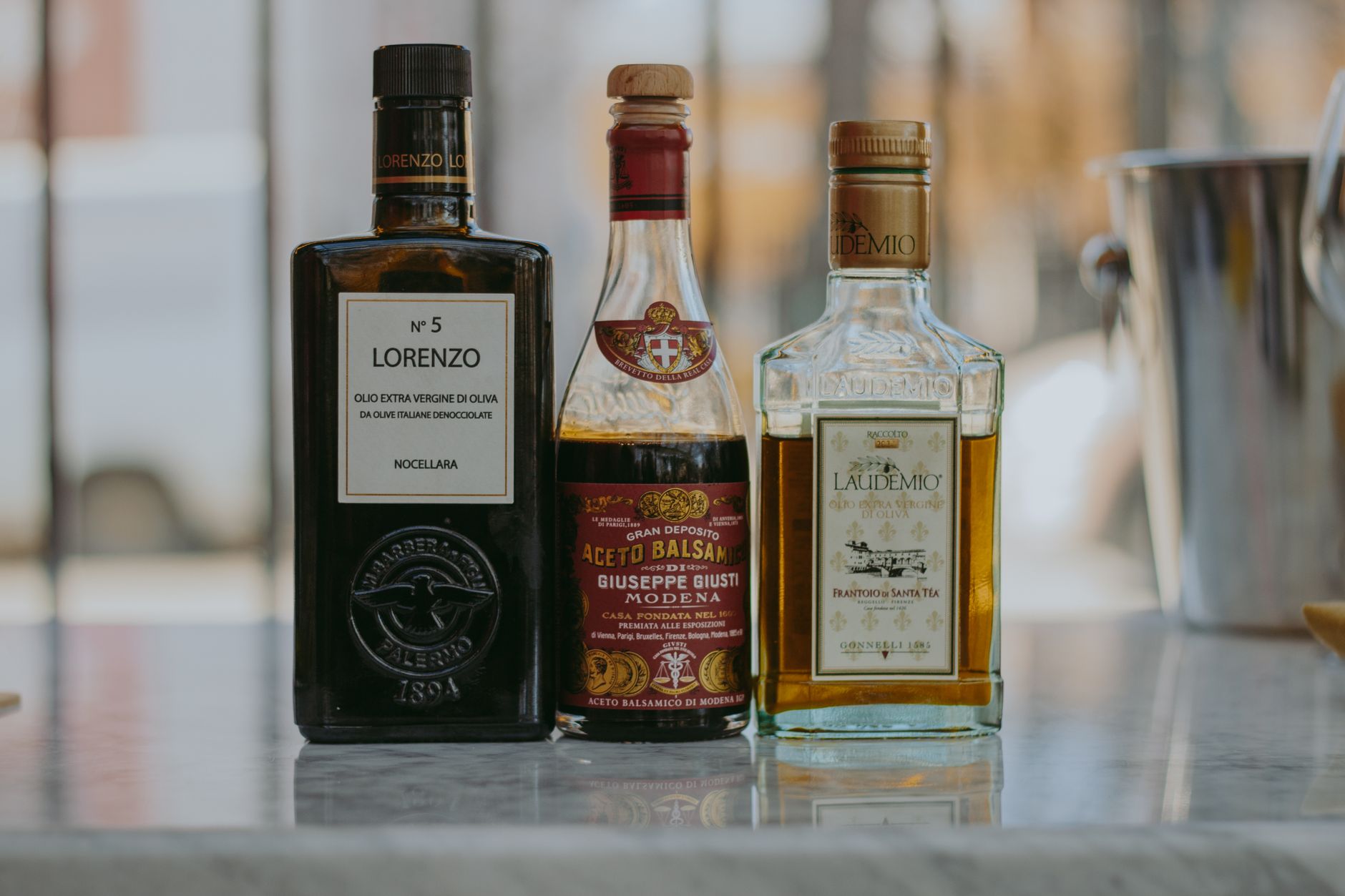
Balsamic vinegar substitutes
Balsamic vinegar contributes a layered sweet-tart flavor backed by dark fruit notes and a viscosity that most other vinegars lack. It functions as an acid, a sweetener, and a browning agent simultaneously, which is why no single substitute perfectly replicates all three roles at once. Substituting works well in most everyday applications, but the gap between a stand-in and true balsamic widens noticeably in simple preparations where the vinegar is the featured flavor.
Some links below are paid affiliate links. As an Amazon Associate, AltPantry earns from qualifying purchases at no extra cost to you.
| Rank | Substitute | Substitution ratio | What to expect |
|---|---|---|---|
| #1 | Red wine vinegar and honey | 1 tbsp red wine vinegar + 1/2 tsp honey per 1 tbsp balsamic vinegar | Red wine vinegar provides the acidic backbone and dark fruit tone; honey adds sweetness and a slight viscosity that approximates balsamic's body — the closest 1:1 functional replacement for most cooked and dressed applications. |
| #2 | Red wine vinegar and maple syrup | 1 tbsp red wine vinegar + 1/2 tsp pure maple syrup per 1 tbsp balsamic vinegar | Works the same way as the honey version above; maple syrup adds a slightly different sweetness with less floral note — useful if you prefer a more neutral sweetener or are avoiding honey. |
| #3 | Apple cider vinegar and honey | 1 tbsp apple cider vinegar + 1/2 tsp honey per 1 tbsp balsamic vinegar | Apple cider vinegar is lighter and fruitier than red wine vinegar, so the result is closer to balsamic in sweetness but misses the darker, wine-derived complexity — acceptable in salad dressings and marinades, noticeably lighter in reductions. |
| #4 | Pomegranate molasses | 1 tsp pomegranate molasses per 1 tbsp balsamic vinegar, plus 2 tsp water to thin | Pomegranate molasses shares balsamic's thick, sweet-sour profile and dark fruit character well enough that it performs reliably in glazes and marinades — color and texture are very similar; flavor is tangier and more explicitly fruity, which is noticeable in simple dressings. |
| #5 | Sherry vinegar | 1 tbsp sherry vinegar + 1/2 tsp honey per 1 tbsp balsamic vinegar | Sherry vinegar has a nutty, oxidized depth that resembles aged balsamic more closely than most alternatives — a strong option when you want complexity without sweetness; add honey only if the recipe needs it; works well in pan sauces and reductions. |
| #6 | Grape juice and red wine vinegar | 2 tsp red wine vinegar + 1 tsp 100% grape juice (no added sugar) per 1 tbsp balsamic vinegar | Works in a pinch but produces a noticeably thinner, less complex result — grape juice adds some fruit character and mild sweetness but lacks the concentrated cooked-grape depth of real balsamic; acceptable in dressings, less effective in reductions. |
When to be careful
No substitute holds up in preparations where balsamic is served raw and undiluted as the primary flavor — drizzled over fresh strawberries, aged cheese, or a classic Caprese. In these contexts, the multi-year reduction and barrel-aging of true balsamic are irreplaceable, and any substitute will taste noticeably thinner and less complex.
Why these substitutes work
Authentic balsamic vinegar starts as cooked grape must (concentrated grape juice), which contributes residual sugars, color, and a low-acid base. Extended barrel aging converts some of those sugars through oxidation and esterification into volatile aromatic compounds — the dark fruit, caramel, and wood notes — while acetic acid bacteria maintain acidity. The substitutes here reconstruct that acid-sugar-fruit triangle from separate ingredients: acetic acid from vinegar, sucrose or fructose from honey or syrup, and dark fruit flavor from red wine vinegar's grape-skin phenolics or pomegranate molasses.
The most reliable everyday substitute is red wine vinegar combined with honey — it reconstructs balsamic’s three functional roles (acid, sweetness, body) from pantry staples that most cooks already have. For applications involving heat, such as glazes and pan sauces, pomegranate molasses and sherry vinegar are worth reaching for if available, since both carry a natural depth that holds up under reduction better than plain vinegar-plus-sweetener blends.
The further a recipe strips away supporting flavors — herbs, garlic, fat, other acids — the more the substitute’s limitations will show. Use the substitutes above confidently in compound dressings, marinades, and braised dishes. Scale back expectations for any preparation where balsamic is listed as the headline ingredient.
Frequently asked questions
- Can I use regular white wine vinegar instead of balsamic?
- You can, but the flavor gap is large. White wine vinegar has no sweetness, no dark fruit character, and a sharper acid profile. If you use it, cut the quantity by about a third and add a full teaspoon of honey per tablespoon called for. The result will be noticeably lighter and more acidic — fine as a background acid in a complex marinade, poor in any recipe where balsamic is a featured flavor.
- Can I reduce balsamic vinegar substitutes to make a glaze?
- Yes — the red wine vinegar and honey combination reduces well. Use a 3:1 ratio of substitute to honey and simmer in a small saucepan over medium-low heat until it coats a spoon, about 8–10 minutes. It won't reach the exact viscosity or depth of a true balsamic reduction, but it works adequately for glazing roasted vegetables or finishing a pan sauce.
- Does the grade of balsamic vinegar I'm replacing change which substitute to use?
- Yes. If you're replacing everyday commercial balsamic (the widely available grocery store kind, typically labeled "balsamic vinegar of Modena"), any of the top three substitutes work well. If the recipe calls for aged tradizionale (DOP-certified, 12–25 years), no substitute is adequate — just omit it or use a small amount of sherry vinegar for a structural acid note and accept a different result.