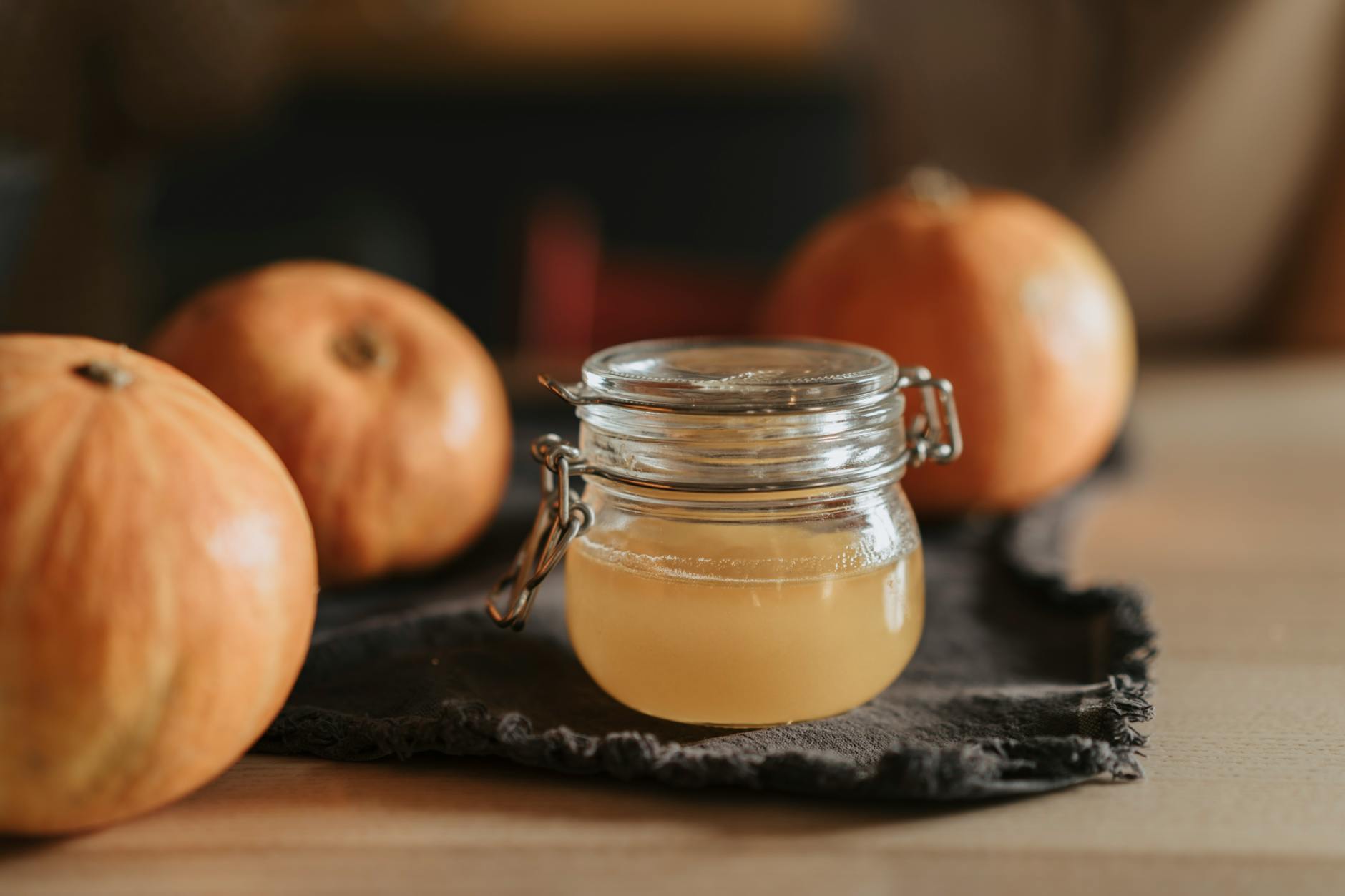
Apple cider vinegar substitutes
Apple cider vinegar contributes acidity (around 5% acetic acid), mild fruity depth, and — in baking — reacts with baking soda to provide leavening lift. It also tenderizes proteins in marinades and emulsifies dressings. Substituting requires matching both the acid level and, where flavor matters, something close to its mild, slightly sweet tang.
Some links below are paid affiliate links. As an Amazon Associate, AltPantry earns from qualifying purchases at no extra cost to you.
| Rank | Substitute | Substitution ratio | What to expect |
|---|---|---|---|
| #1 | White wine vinegar | 1 tbsp white wine vinegar for every 1 tbsp apple cider vinegar | Closest acidity level (5–6%) with a clean, slightly fruity finish; works in dressings, marinades, and baking without noticeably altering the result. |
| #2 | Lemon juice | 1 tbsp lemon juice for every 1 tbsp apple cider vinegar | Provides comparable acidity and reacts identically with baking soda; adds citrus flavor that reads differently in savory sauces but is largely undetectable in baked goods. |
| #3 | Lime juice | 1 tbsp lime juice for every 1 tbsp apple cider vinegar | Works the same as lemon juice but with a sharper citrus note; acceptable in dressings and marinades, less ideal in neutral-flavored bakes where citrus would stand out. |
| #4 | Rice vinegar | 1 tbsp rice vinegar for every 1 tbsp apple cider vinegar | Lower acidity (4–4.5%) and milder flavor than apple cider vinegar; works in dressings and light marinades, but may slightly under-activate baking soda — increase by about 25% (use 1¼ tbsp) in baking contexts. |
| #5 | Distilled white vinegar | 1 tbsp white vinegar for every 1 tbsp apple cider vinegar | Acidity matches well (5%) and leavening performance is identical, but the flavor is noticeably sharper and lacks any fruity character; fine for baking or pickling, noticeably harsher in raw applications like vinaigrettes. |
| #6 | Sherry vinegar | 1 tbsp sherry vinegar for every 1 tbsp apple cider vinegar | Works in a pinch for savory dressings and braised dishes where its nuttier, more complex flavor won't clash; too assertive for baked goods and unsuitable anywhere a neutral acid is needed. |
When to be careful
If apple cider vinegar is the defining flavor in a recipe — such as a Carolina-style BBQ sauce, a shrub syrup, or a fermented hot sauce — no substitute replicates its specific fruity-tart character, and the end result will taste distinctly different. Homemade apple cider vinegar substitutes using apple juice are not reliably acidic enough and should not be used in baking or canning.
Why these substitutes work
Apple cider vinegar's acidity (pH roughly 3.3–4) does two main jobs: it denatures proteins for tenderizing, and it donates hydrogen ions that react with baking soda (sodium bicarbonate) to release CO₂ for leavening. Any acid at a similar concentration — acetic, citric, tartaric — triggers the same baking soda reaction, which is why lemon juice and white wine vinegar are functionally equivalent in baked goods. The mild flavor compounds in apple cider vinegar (esters and trace malic acid from the apple fermentation base) are unique and not replicated by grain-based vinegars or citrus.
White wine vinegar is the most reliable all-purpose swap — it matches apple cider vinegar’s acidity closely and has a mild enough flavor to work across dressings, marinades, and baked goods. For baking specifically, lemon juice is equally effective and more likely to already be in the kitchen.
The substitutes in the table above are ranked for reliability across use cases, not just one context. If you’re baking, ranks 1–3 and 5 all perform well. For raw applications where flavor is more exposed — vinaigrettes, slaws, quick pickles — white wine vinegar (rank 1) is the only substitute that consistently produces a result close enough to go unnoticed.
Frequently asked questions
- Can I substitute balsamic vinegar for apple cider vinegar?
- Not reliably. Balsamic vinegar is significantly sweeter, thicker, and more complex in flavor, and its acidity varies widely by brand. It will alter both the taste and color of most recipes and is not a reliable 1:1 swap.
- Does the substitute matter in baking, or is any acid fine?
- For leavening purposes (when the recipe uses baking soda), any acid at a similar concentration works — white wine vinegar, lemon juice, and white vinegar all perform identically. Flavor differences are minimal once baked. The ratio stays 1:1.
- Can I skip the apple cider vinegar entirely if I don't have a substitute?
- In baking recipes that rely on it to activate baking soda, omitting it will reduce rise — don't skip it without a replacement. In dressings or marinades, omitting it changes the flavor balance but won't ruin the dish; add a small squeeze of lemon juice (about ½ tsp per tbsp omitted) to compensate for lost brightness.